Physical Address
304 North Cardinal St.
Dorchester Center, MA 02124
Physical Address
304 North Cardinal St.
Dorchester Center, MA 02124

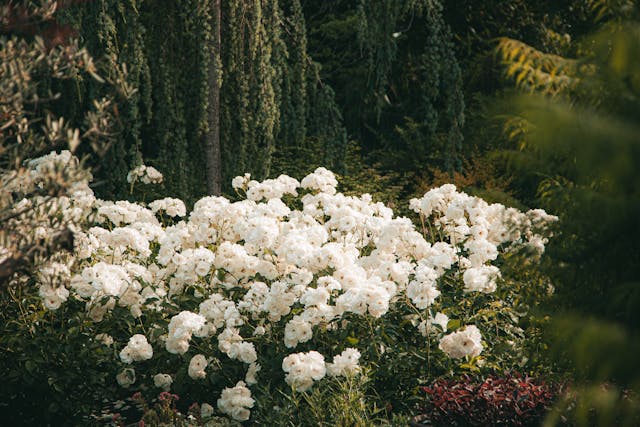
The ground beneath a mature tree is usually written off as dead space — too shady, too rooty, too dry. It doesn’t have to be. The right shrubs and shade-tolerant companions can turn that space into the most layered, interesting part of the garden, as long as you work with the tree’s roots instead of against them.
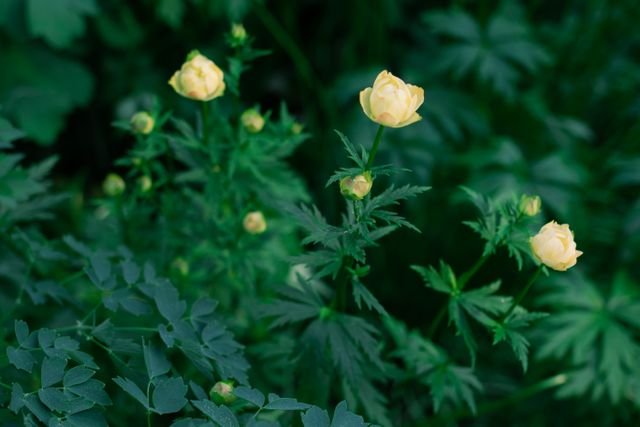
These are genuine woody bushes — the structural backbone of a shade planting:
Yew (Taxus)
A dense, evergreen shrub that tolerates full shade better than almost anything else on this list. Hardy in zones 3–7, and slow-growing enough that it rarely needs aggressive pruning to stay in bounds.
Mountain Laurel (Kalmia latifolia)
Evergreen with striking clustered blooms in late spring, tolerant of heavy soil and a wide temperature range. Hardy in zones 4–9. Worth flagging clearly: all parts of mountain laurel are toxic if ingested by pets or livestock — skip it if animals graze the area.
Oakleaf Hydrangea
A genuinely underused shade shrub — tolerates part shade well, offers large summer blooms, and its foliage turns deep red-bronze in fall, giving the space seasonal interest most evergreen shade shrubs don’t. Hardy in zones 5–9.
Japanese Holly
A fine-textured, boxwood-like evergreen that handles shade and light foot traffic near a path better than true boxwood does. Hardy in zones 5–8, and useful where you want a clipped, formal edge rather than a looser look.
Red-Twig Dogwood
Unlike the tree-form white dogwoods often listed for this purpose, red-twig dogwood is a genuine multi-stem shrub that tolerates shade and wet soil, and its bare red stems are one of the few sources of winter garden color. Hardy in zones 3–8.
These fill the same role — ground cover, texture, seasonal color — without being woody shrubs. Worth including for the same reason the original list did, just labeled honestly:
| Plant | Type | Zones |
| Yew | Shrub | 3–7 |
| Mountain Laurel | Shrub (toxic to pets) | 4–9 |
| Oakleaf Hydrangea | Shrub | 5–9 |
| Japanese Holly | Shrub | 5–8 |
| Red-Twig Dogwood | Shrub | 3–8 |
| Hostas | Perennial | 4–8 |
| Astilbe | Perennial | 4–9 |
| Autumn Fern | Fern | 4–9 |
| Hakone Grass | Ornamental grass | 4–9 |
| White Trillium | Perennial (woodland native) | 4–8 |
This is the part most “plants for under trees” content skips, and it matters more than which species you pick:
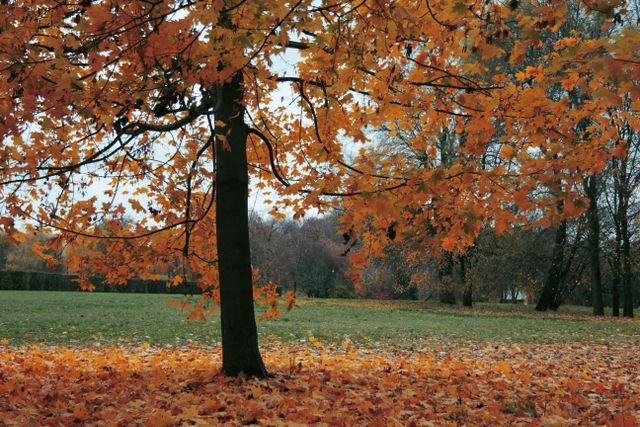
Not every tree is an equally good candidate for underplanting:
For a deeper look at working with tree root systems specifically, see our companion guide to gardening under trees.
| What actually grows well under trees?
True shrubs like yew, mountain laurel, and oakleaf hydrangea, plus shade-tolerant perennials like hostas and astilbe — the right choice depends on how deep the shade is and how aggressively the tree’s roots compete for water. |
| Can I dig a planting hole close to a tree trunk?
Avoid it where possible — stay outside the root flare and avoid cutting major roots within the drip line. Smaller plants with smaller root balls cause less disturbance. |
| What shouldn’t be planted under a black walnut tree?
Many common garden plants are sensitive to juglone, a compound black walnut roots release — check a plant’s specific juglone tolerance before planting near one rather than assuming it’s fine. |
| Is mountain laurel safe to plant if I have pets?
No — all parts of mountain laurel are toxic if ingested by pets or livestock. Choose a different shrub for areas animals have access to. |
| Got a shady spot under a tree that’s stumped you? Tell us the tree and the light conditions in the comments, and we’ll help you find something that’ll actually thrive there. |