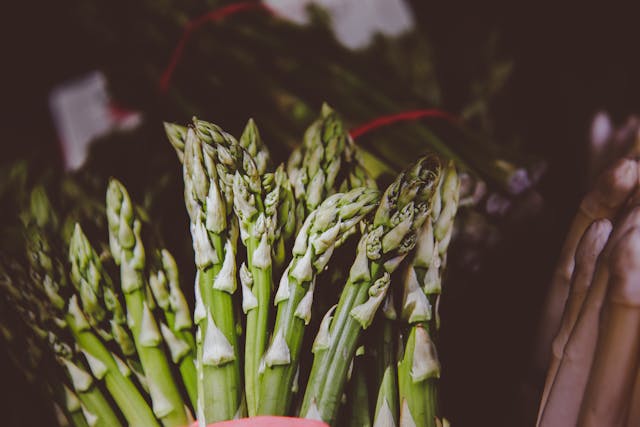
Asparagus is a garden favorite, cherished for its delicious spears and longevity. Though patience is required, once established, an asparagus patch can provide fresh harvests for 10 to 15 years! Whether you’re a seasoned gardener or just starting, this guide will walk you through everything you need to know about growing asparagus.
Understanding the Growth Cycle of Asparagus
Asparagus is a perennial vegetable, meaning it returns year after year. However, it takes time to establish before you can enjoy a full harvest. Here’s how the cycle works:
- Spring: Asparagus spears emerge from overwintering roots. Harvest only mature spears.
- Summer: The remaining stalks grow into tall, feathery ferns. These ferns perform photosynthesis, replenishing the plant’s energy stores.
- Fall: The ferns turn yellow and begin to die back.
- Winter: The plant goes dormant, preparing for the next growth season.
This cycle is crucial for maintaining a healthy asparagus bed that yields for many years.
Choosing the Right Spot for Your Asparagus Bed
Since asparagus is a long-term commitment, selecting the best location is key. Here’s what to consider:
- Sunlight: Asparagus needs at least 6-8 hours of full sun daily.
- Soil Drainage: Avoid areas where water pools. Raised beds can help improve drainage.
- Soil Quality: Use well-amended, nutrient-rich soil high in phosphate to encourage strong root development.
Planting Asparagus: Seeds vs. Crowns
You can grow asparagus from either seeds or crowns (young roots).
- Crowns: The best option for quick results. One to two-year-old crowns produce harvestable spears within a year of planting.
- Seeds: A budget-friendly method but requires 2-3 years before you can harvest.
- Varieties: ‘All male’ varieties (Jersey Giant, Jersey Knight) yield more spears than traditional ones (Martha Washington, Purple Passion).
How to Plant Asparagus
Planting Crowns:
- Dig a trench 6 inches deep and 12 inches wide.
- Space the crowns 12 inches apart.
- Cover with 2 inches of soil, then gradually add more over time.
- Keep soil moist but not waterlogged.
Planting Seeds:
- Start seeds indoors 3 months before planting outside.
- Transplant seedlings when they reach 3 inches tall.
- Follow the same trenching method as crowns.
Caring for Your Asparagus Plants
- Watering: Provide 1-2 inches of water per week.
- Mulching: Use straw, compost, or wood chips to retain moisture and suppress weeds.
- Fertilizing: Apply a balanced organic fertilizer in early spring and after harvest.
- Weed Control: Avoid disturbing roots; hand-pulling weeds is best.
Read More: Ultimate Guide on How to Grow Amaranth
When and How to Harvest Asparagus
- Year 1: Do not harvest; allow plants to establish.
- Year 2: Harvest lightly for two weeks.
- Year 3 & beyond: Harvest for 6-8 weeks each spring.
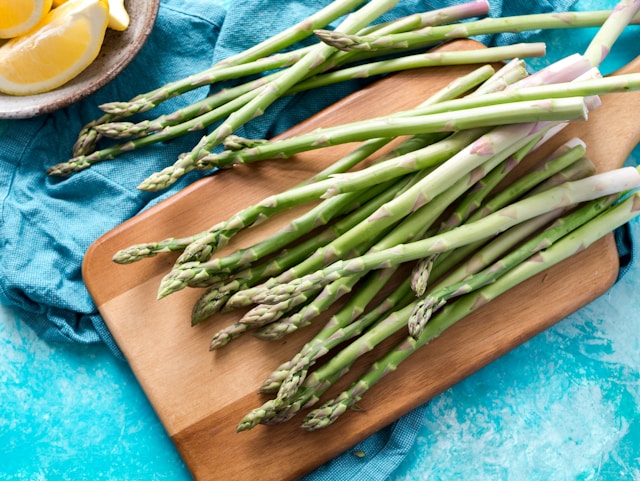
Pick spears when they are 6-10 inches tall. Either snap them at ground level or cut them with a sharp knife.
Storing and Enjoying Fresh Asparagus
- Immediate Use: Eat fresh for the best flavor.
- Refrigeration: Store spears upright in a glass of water or wrapped in a damp paper towel.
- Freezing: Blanch spears briefly, then freeze for long-term storage.
Common Challenges and Solutions
- Thin Spears? Your plants may be young or need more nutrients.
- Yellowing Foliage? Could be due to overwatering or poor drainage.
- Pests? Watch for asparagus beetles; hand-pick them or use organic insecticides.
Growing asparagus requires patience, but the rewards are well worth it. With proper care, your asparagus bed will provide fresh, delicious spears for many years to come.
Happy gardening!
If you found this guide helpful, feel free to share it with fellow gardeners!