Physical Address
304 North Cardinal St.
Dorchester Center, MA 02124
Physical Address
304 North Cardinal St.
Dorchester Center, MA 02124


Picture this: you’re holding a trowel in one hand, a tiny seedling in the other, and there’s that rich scent of freshly turned earth rising around you. Magic, right? Gardening isn’t just a hobby—it’s therapy, it’s food security, it’s beauty in bloom. But before you dive headfirst into the soil, let’s talk gardening essentials. Because let’s be honest, you can’t paint a masterpiece without your brushes.
Whether you’re starting a vegetable patch, nurturing a balcony herb collection, or curating a backyard Eden, having the right tools and knowledge can make all the difference between frustration and flourishing.
Let’s start where every gardener begins—with tools. Not fancy gadgets (though those are fun), but practical, reliable tools that pull their weight.
1. A Quality Trowel
You wouldn’t believe how often you’ll use this little spade. From digging holes for transplants to pulling weeds, a sharp, durable trowel is one of the absolute gardening essentials.
2. Pruners (and Sharp Ones at That!)
Whether you’re cutting back tomato suckers or snipping roses, pruners are your best friend. Go for bypass pruners for cleaner cuts.
3. Gardening Gloves
Unless you like the feel of mud permanently lodged under your nails—and hey, maybe you do—get yourself a pair of gloves. Choose breathable yet tough fabric that can withstand thorny bushes and hours of wear.
4. Watering Can or Hose with Adjustable Nozzle
Plants drink, and they’re picky about it. Seedlings? They need a gentle mist. Mature plants? Give them a good soak. The ability to control flow matters more than you might think.
5. A Sturdy Garden Fork and Spade
When you’re breaking up soil or compost, these two will save your back and your time.
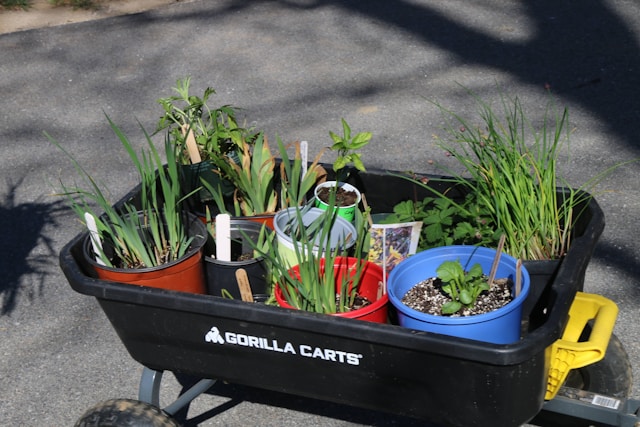
6. Wheelbarrow or Garden Cart
Sure, you can carry everything by hand. But why suffer when you don’t have to? If your garden’s larger than a couple of raised beds, hauling tools, soil, or compost becomes infinitely easier with a cart.
Now, let’s talk dirt. Or more accurately, soil—the foundation of it all. If there’s one thing that separates struggling gardeners from the flourishing kind, it’s this: soil quality.
Good soil is alive. Yes, alive! Full of microorganisms, earthworms, and organic matter. It’s spongy, rich-smelling, and drains well without drying out.
Don’t skip this step: test your soil.
You can use a basic soil testing kit to determine pH levels and nutrient levels. Your plants will thank you. Amend poor soil with compost, aged manure, or even worm castings (yep, worm poop is plant gold).
Not all seeds are created equal. Some thrive in your zone, others struggle. Always, always choose varieties suited for your climate. Heirloom tomatoes might be trendy, but if you live in a super short growing season, opt for a fast-maturing hybrid instead.
Seedling or seed?
If you’re impatient or dealing with a short season, transplants can save time. But starting from seed offers variety and control. It’s one of the more rewarding experiences a gardener can have—watching life sprout from what looked like a speck of dust.
Raised beds? Gorgeous and great for drainage. Containers? Perfect for urban spaces. In-ground beds? Excellent for large-scale growing.
Your space, your choice. But here’s the kicker: drainage is non-negotiable. Regardless of where you plant, if water sits and stagnates, roots rot. So choose your setup carefully.
Before planting, do this one thing: watch your garden for a full day. Observe where the sun hits and where the shade creeps in. Most vegetables and flowering plants want at least six hours of direct sunlight. Without it, they’ll grow leggy, weak, and sad.
Some plants, however, like lettuce, spinach, or hostas, love partial shade. Knowing what to plant where? That’s one of the most overlooked gardening essentials.
Want fewer weeds? Better water retention? Healthier soil? Say hello to mulch. Straw, bark chips, shredded leaves—it doesn’t matter much what you use, as long as you use it.
Mulching not only saves you effort (goodbye weeding every day), but it also protects your plants from temperature swings.
Overwatering is a sneaky killer. Plants don’t want their feet wet all the time. The goal is deep, infrequent watering—make the roots reach, and they’ll grow stronger.
Use the finger test. Stick your finger about two inches into the soil. If it’s dry, water. If it’s moist, wait.
Organic fertilizers and compost are your best bet. Think compost tea, fish emulsion, or slow-release organic pellets. Over-fertilizing can burn plants or encourage too much leaf growth without flowers or fruit.
Pro tip: Learn your plant’s specific needs. Tomatoes, for example, want calcium. Beans, not so much.
No tool, no book, no blog post (not even this one!) can replace this essential: your attention. Walk through your garden daily. Notice the changes. See what’s thriving, what’s not. This habit will teach you more than any gardening course.
Whether you’re a weekend dabbler or dreaming of self-sufficiency, knowing your gardening essentials is where it all begins. And trust me—once your hands touch the soil, you’ll never look at a store-bought tomato the same way again.
Let your garden grow wild and wise. And if you’re ever unsure, Sow Haven is always here to guide you. After all, every thriving garden starts with a seed… and a little know-how.