Physical Address
304 North Cardinal St.
Dorchester Center, MA 02124
Physical Address
304 North Cardinal St.
Dorchester Center, MA 02124


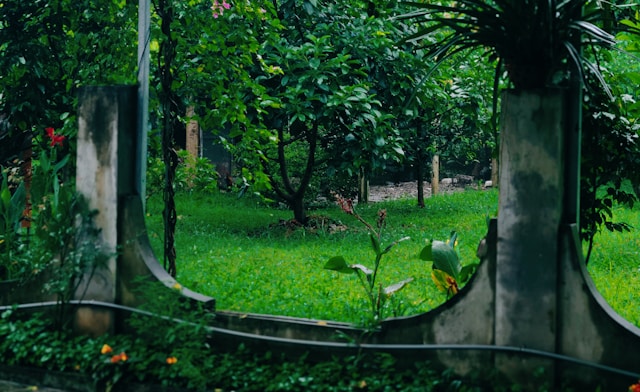
Shady corners whisper of possibility—especially the ones under towering trees. Yet for many gardeners, this particular space feels… challenging. Mysterious. Even a bit intimidating. And understandably so. But here’s the twist: gardening under trees doesn’t have to be a horticultural headache. With a bit of know-how (and a pinch of creativity), that dappled patch beneath your maple, oak, or pine can become a lush, layered wonderland.
Let’s be honest: the soil under trees is not your average fluffy, fertile playground. It’s root-heavy. Often dry. Sometimes acidic. And then there’s the shade—a persistent, flickering curtain that changes throughout the day.
Still, don’t let these quirks scare you off. Think of gardening under trees not as a limitation but as a design puzzle, waiting for your unique, green-thumbed solution.
Before diving into what to plant and where, let’s lay down a few golden rules for gardening under trees:
When planting beneath established trees, avoid major digging. Tree roots—especially those near the surface—can be sensitive and easily damaged. Instead of digging deep holes, plant shallow-rooted perennials or use methods like top-dressing with compost and mulching.
Trees are thirsty. So are your shade plants. Unfortunately, they’re often in silent competition. The solution? Give supplemental water during dry spells, especially in the first year of planting. This is essential for any successful gardening effort under trees.
Dappled? Full? Morning only? Shade isn’t one-size-fits-all. Observe your tree’s behavior across seasons. Does the canopy open up in winter? Is the shade dense in summer? Knowing these nuances helps you choose the right plants.
This is where the magic starts.
Pachysandra – A classic that tolerates shade and root competition.
Sweet Woodruff – Aromatic and soft, with delicate white flowers in spring.
Vinca Minor – Periwinkle flowers and evergreen leaves that spread like a dream.
Hostas – Unrivaled in foliage diversity. From mini to mammoth.
Ferns – Especially native types like Christmas fern or maidenhair.
Astilbe – Adds feathered flowers and color pops to the understory.
Trillium – A spring ephemeral that’s pure woodland elegance.
Solomon’s Seal – Graceful arching stems with tiny hanging bells.
Virginia Bluebells – Early bloomers that make the most of brief spring sunlight.
These choices are just the beginning. The true joy of gardening under trees is in experimentation, trial, error, and the delightful surprises that nature throws your way.
You’ve got the shade. You’ve got the plants. Now it’s time to think about flow, form, and feel.
Nature rarely plants in rows. Mimic the layers of a forest floor—low groundcovers, mid-height perennials, and small shrubs—to create depth and softness. Think like the forest does.
Winding gravel paths or stepping stones invite people into the space without compacting the soil. They also give structure and “destination” to areas that might otherwise feel untouchable.
Because why not? A weathered bench under a leafy canopy? Pure poetry. A rusted iron sculpture hidden in the ferns? Instant charm.
These small additions make gardening under trees feel curated, cozy, and completely yours.
Some trees are… let’s say, picky roommates.
Black Walnut – Releases juglone, a toxin to many plants. Look for juglone-resistant varieties like ferns, hostas, and daylilies.
Maples – Shallow roots compete aggressively. Use mulch and focus on tough groundcovers.
Pines – Drop needles, acidify soil. Try acid-loving plants like azaleas or rhododendrons.
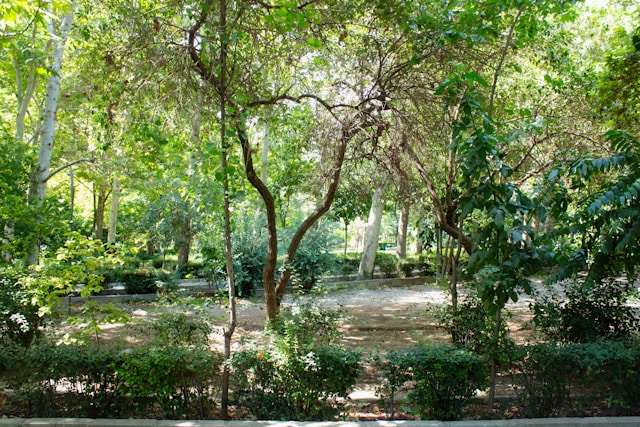
Knowing your tree helps tailor your garden to its needs and quirks.
Beneath all beautiful gardens lies great soil. And under trees? It needs extra love.
Compost top-dressing each spring adds nutrients without disturbing roots.
Leaf mulch mimics forest conditions and keeps moisture in.
Avoid thick bark mulch near trunks—go light and wide instead.
Regular mulching and feeding keep your under-tree garden humming, even in dry spells.
Too often, gardeners approach tree shade as a nuisance—something to work around or fix. But what if you leaned into it instead?
What if you welcomed the cool, mysterious vibe that comes with gardening under trees? The quietness. The filtered light. The way ferns unfurl slowly in the morning mist.
There’s a different kind of beauty here—less showy, more intimate. A secret garden kind of beauty. And all it needs to shine is a little vision, the right plants, and your willingness to play in the shadows.
Gardening under trees? It’s not just possible—it’s transformative. The very challenges of root competition, shifting shade, and dry soil inspire a kind of gardening that’s both mindful and magical. With the right techniques, thoughtful plant choices, and an artist’s eye for shape and contrast, you can turn the forgotten corners beneath your trees into living tapestries.
So go ahead—dig lightly, mulch generously, and plant boldly. Under those branches? That’s where your next favorite garden might just take root.