Physical Address
304 North Cardinal St.
Dorchester Center, MA 02124
Physical Address
304 North Cardinal St.
Dorchester Center, MA 02124


Before the seed ever kisses soil, before the first dewdrop glistens on a leaf, something stirs deep within us—a pull. A whisper. A need to reconnect with the earth, to coax life from the ground with our hands, to nurture something green in a world that often forgets to breathe. Gardening isn’t just a hobby, you know. It’s a quiet rebellion against rush. A meditation in motion. If you’ve ever felt the quiet pull to grow something from the ground up, these steps for gardening will guide you through the journey, rooted, real, and rewarding.
And like all good things worth doing, it begins with a rhythm—a set of mindful, deliberate steps. If you’re someone who’s felt this pull, this itch to grow, to plant, to dig, and to dream, you’ve come to the right place. Let’s explore the steps for gardening that go beyond the basics and dive into a soulful, sensory journey—messy, beautiful, and deeply human.
Start with stillness. That’s right—before grabbing a shovel or eyeing those seed packets, take a breath. Look around. What kind of space are you working with? Balcony? Backyard? Urban corner?
Sketch, Dream, Measure, and Imagine. What direction does the sun travel? Where do the shadows fall? Every thriving garden begins not in the ground, but in the mind. Planning isn’t procrastination—it’s preparation, and it saves you from chaos down the road.
Not all dirt is created equal. Sandy, silty, clay-heavy, loamy—your soil type tells a story. Dig a little. Feel it. Is it gritty? Slick when wet? Does it clump or crumble?
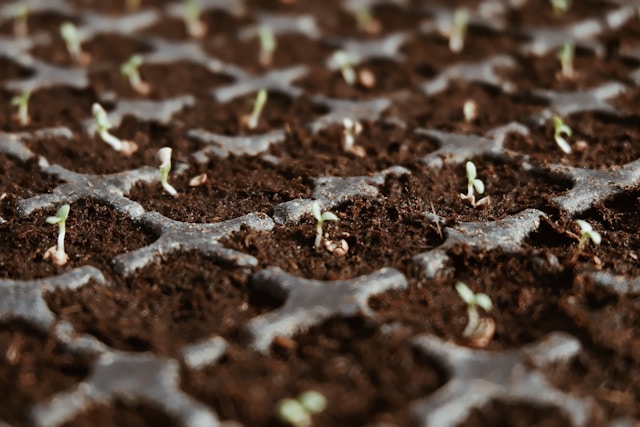
Get your hands dirty, and then, if you’re feeling a bit scientific, send a sample for testing. Soil pH and nutrient levels affect everything. Amend as needed. Compost is gold. Worms? Even better. You’re not just planting in the soil; you’re planting with it.
Don’t just grab what looks pretty at the nursery. Ask questions. What thrives in your zone? What loves the sun, and what dances in the shade? Are you planting for beauty, food, fragrance, or all three?
And consider your lifestyle—if you’re gone often, delicate divas that demand daily misting may not be your jam. Hardy herbs or low-maintenance perennials might be more your pace.
Jumping the gun in spring? Fatal mistake. Plant too early and frost will laugh in your face. Plant too late, and you miss the magic window.
Follow local frost dates. Pay attention to moon cycles if you’re feeling extra earthy. Seeds, like humans, thrive when given the right moment to unfurl.
You don’t need a garage full of gadgets. Just a few essentials: a good spade, sharp pruners, gloves that actually fit, and a watering can that doesn’t leak like a broken promise.
Treat your tools well. Clean them. Oil them. They’re your allies, your extensions. Gardening is physical, tactile. When your tools feel right in your hands, the whole experience shifts.
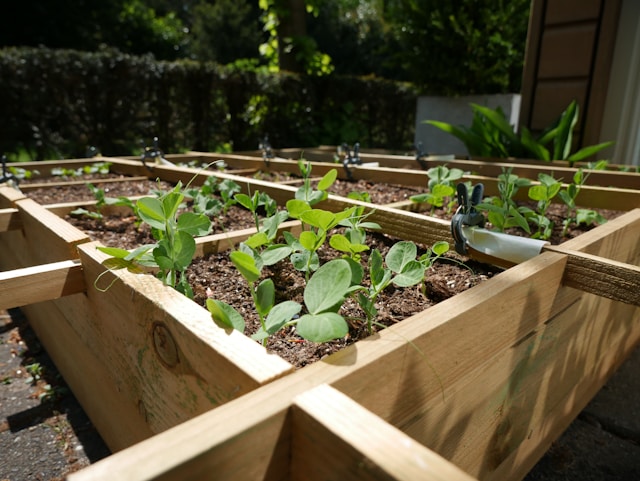
Depth matters. Spacing matters. So does how gently you tuck roots into their new home. Some seeds need light to germinate; others crave darkness.
Water the hole before you plant. Yes, before. Think of it as a welcome drink. And don’t press the soil down like you’re packing a suitcase. Be firm but tender—gardening is emotional labor, after all.
Oh, the mistakes people make with watering. A sprinkle here, a splash there—no. Roots chase water, so train them. Water deeply but infrequently. Early mornings are ideal, when the world’s still half-asleep and the sun hasn’t begun its fiery ascent.
Mulch helps too—it keeps the soil cool, moist, and protected. It’s a blanket for your garden. And who doesn’t love a cozy blanket?
Yes, plants need food. But more isn’t always better. Over-fertilizing can burn roots, attract pests, and cause more harm than good.
Use compost. Organic feeds. Slow-release options. Think of fertilizing like seasoning a stew—you want to enhance, not overwhelm.
Weeds happen. That’s life. But instead of going to war, observe. What are they telling you? Compacted soil? Too much moisture? Shade issues?
Weeding is therapeutic if you let it be. It’s about removing what no longer serves and about making space for your plants to thrive. It’s more spiritual than it sounds, trust me.
A bud. A sprout. A leaf that wasn’t there yesterday. These are miracles. Celebrate them. Take photos. Share them. Talk to your plants if you must—they won’t judge.
And when something dies—and it will—don’t despair. Gardens are laboratories, and failure is just part of the experiment. Learn, adjust, replant. Growth isn’t linear. It never was.
The truth? Gardening isn’t just about greenery—it’s about patience. Observation. Care. Hope. It’s an invitation to slow down in a fast-moving world. To find joy in the mundane. To root yourself in something real. So if you’re ready to follow these steps for gardening, don’t just think about what you’ll grow—think about how you’ll grow with it.
Start your garden journey with heart and intention. Learn the real steps for gardening that go beyond the basics—raw, earthy, and true. And when you’re ready to dig deeper—whether it’s for plant wisdom, seasonal guides, or soil secrets—our green sanctuary at SowHaven is always here to guide you, seed to soul.