Physical Address
304 North Cardinal St.
Dorchester Center, MA 02124
Physical Address
304 North Cardinal St.
Dorchester Center, MA 02124

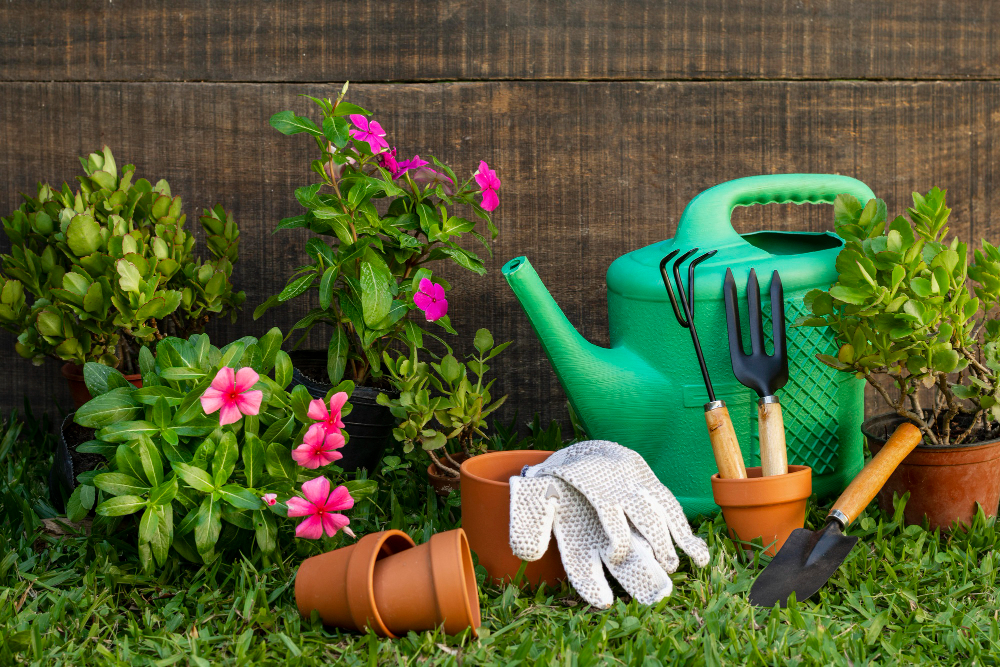
Gardening for newbies isn’t about having a green thumb from day one—it’s about learning, experimenting, and watching tiny miracles unfold in your backyard. “Wait, that’s a weed?” If that’s you—standing ankle-deep in dirt, hose in hand, wondering whether you just pulled out your only tomato plant—then welcome. You’ve just stepped into the chaotic, beautiful, slightly obsessive world of gardening for newbies. And guess what? You’re not alone.
Whether it’s the dream of sun-kissed tomatoes or the urge to escape screen time by sticking your hands in soil, more and more people are getting the itch to garden. But if you’re a total beginner, it can feel like you’re staring into a jungle of Latin plant names, mysterious fertilizers, and tools that look like medieval weapons.
But here’s the honest truth: gardening for newbies doesn’t have to be rocket science. It can be soulful, clumsy, deeply satisfying, and yes, sometimes hilariously tragic. Let’s dive in, dirty hands and all.
You want a lush garden bursting with life, color, and vegetables you can casually brag about on Instagram. Understandable. But here’s the deal: if you try to grow 32 different species at once, you’re setting yourself up for heartbreak—and possibly plant murder.
Start with:
Simplicity, not grandeur, is the gateway drug to gardening addiction.
Before you plant anything, pause. Breathe. Google your USDA hardiness zone or local planting guide (especially if you’re not in the U.S.). This magical number tells you what grows best in your climate and when to plant it.
Trying to grow strawberries in peak summer in a scorching desert? That’s not optimism—that’s sabotage. Knowing your zone helps you work with nature, not against it.
Let’s talk dirt. No, not gossip—the literal ground beneath your feet. Good soil is everything.
You can:
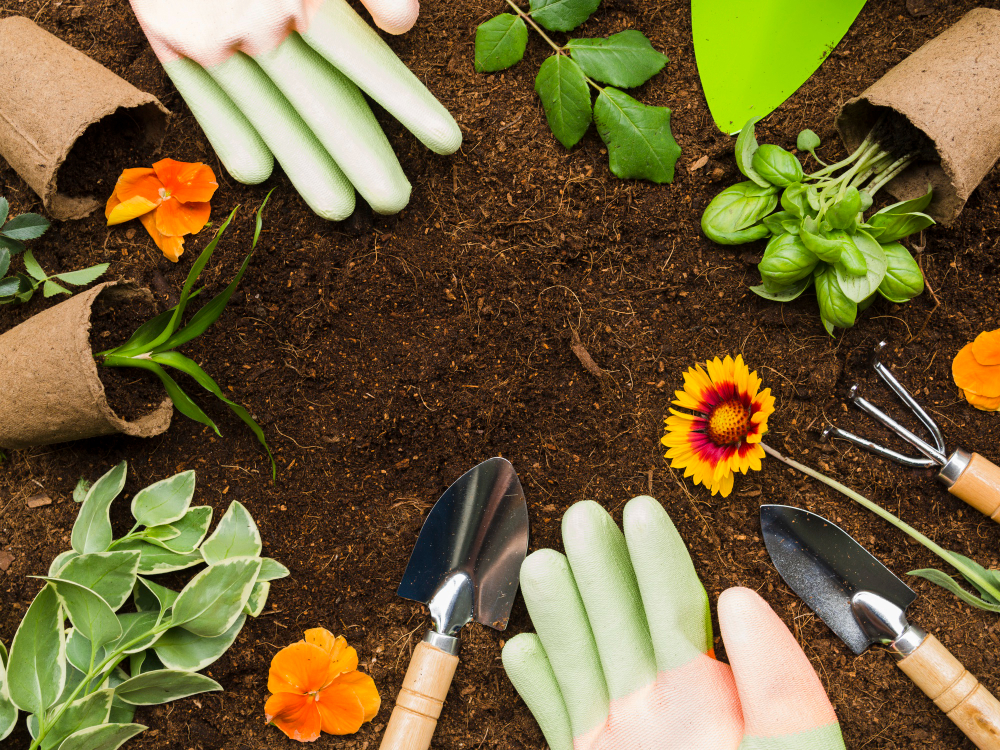
Here’s a wild thought: dig a hole, pour water in, and see how fast it drains. If it’s still sitting there after an hour? Your soil needs help. Add sand, compost, or raised beds.
Newbies often assume more water = more growth. Nope. Roots rot, leaves wilt, and your garden throws a tantrum when overwatered.
Golden rules:
And don’t stress too much. Plants are surprisingly forgiving once you stop treating them like houseguests.
Plants are picky about light. Some crave full sun; others prefer dappled shade like shy teenagers hiding behind curtains.
Observe your space:
Don’t guess. Watch how the light moves through your yard or balcony during the day. Your plants will thank you—with flowers.
Here’s a secret: even master gardeners mess up. They lose entire rows of cucumbers, and prune the wrong limb. They plant kale and get snails instead.
Gardening for newbies is meant to include failures. It’s how you learn. It’s how you grow—literally and metaphorically. Your dead plant isn’t a disaster; it’s a chapter in your green journey.
Not every creepy-crawly is a villain. While yes, some bugs are tiny leaf-munching monsters, others are warriors in disguise.
Look out for:
Don’t spray every insect you see. Learn who’s helping—and let them be.
You don’t need a shed full of fancy gadgets. Here’s your minimalist starter pack:
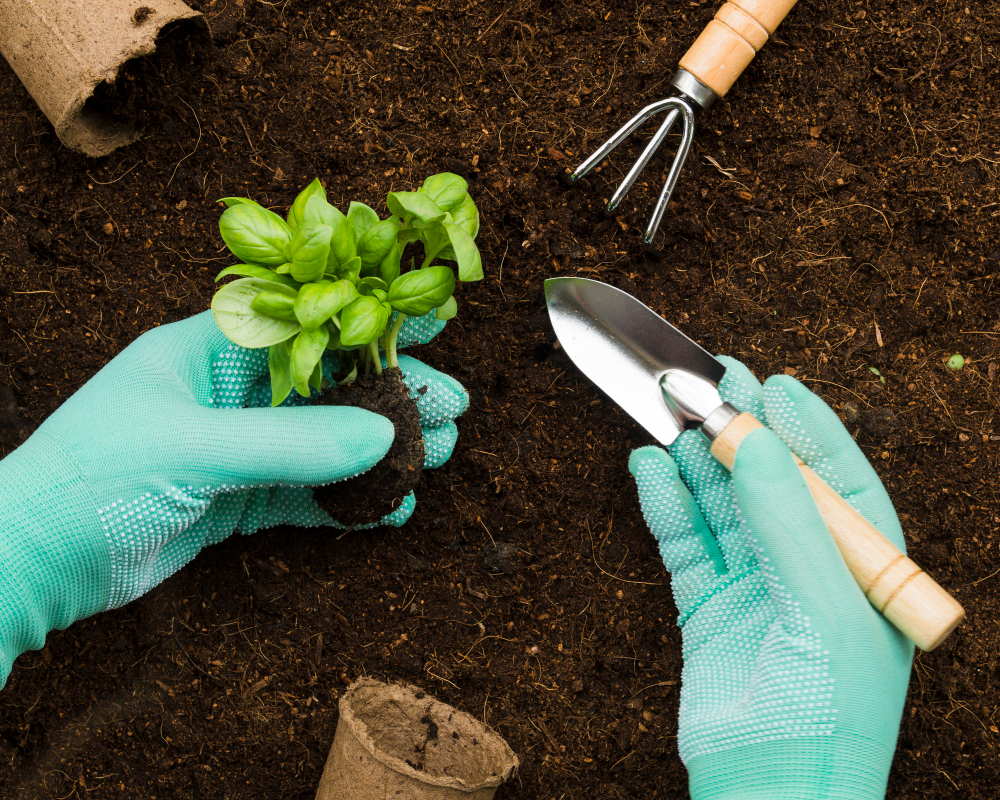
That’s it. Really. You can always expand your collection later when you’re dangerously addicted and have four compost piles.
Gardening slows you down in all the right ways. Watching a seed sprout, a tomato ripen, or a bee wobble drunk on nectar—this is therapy. This is magic. This is life unfolding in real time.
You’ll find yourself staring at leaves like they’re paintings, and you’ll become weirdly proud of zucchini. You’ll text friends, “MY MARIGOLD BLOOMED!!!” with too many exclamation marks.
That’s the joy of it. Messy, unfiltered, dirt-under-your-nails joy.
Starting out in gardening is like learning a new language—confusing, thrilling, and deeply personal. Gardening for newbies isn’t about being perfect; it’s about participating. About nurturing life. About growing, fumbling, laughing, and getting sunburned all at once.
So go ahead. Plant something. Water it. Whisper to it if you must. You’re officially a gardener now. And hey—if your basil dies, don’t worry. There’s always parsley. So, whether your thumbs are green, brown, or somewhere in between, remember—every expert gardener once started as a confused newbie. Embrace the mess, celebrate the wins, and grow at your own pace.
Ready to turn your curiosity into confidence?
Explore more beginner-friendly tips, tools, and inspiration at Sow Haven—your new favorite place for gardening for newbies, because every great garden starts with a single seed—and the right guidance.