Physical Address
304 North Cardinal St.
Dorchester Center, MA 02124
Physical Address
304 North Cardinal St.
Dorchester Center, MA 02124

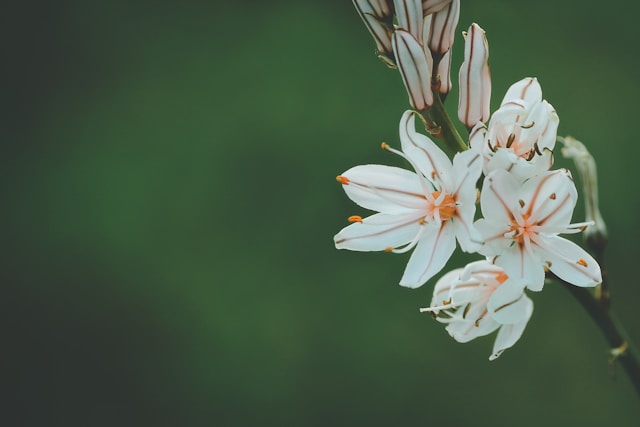
When you first imagine a garden, what comes to mind? Rows of vibrant flowers, perhaps, or leafy herbs spilling fragrance into the air? For many, the dream starts with a simple question: What is the best plant for gardening? And though the answer may shift depending on where you live, how much time you have, or what your soil is willing to give, some plants consistently earn their place as top contenders. Let’s dive deep, not just into the obvious choices, but into the subtleties of selecting plants that harmonise with your environment and style.
Gardeners—whether seasoned or just beginning—often rush into planting whatever catches their eye at the nursery. But here’s the thing: not every plant belongs in every garden. If you crave long-term success rather than fleeting colour, choosing the best plant for gardening is foundational. This choice impacts how much care your garden demands, how it looks across the seasons, and even how wildlife interacts with it.
When the right plant thrives, you spend less time fighting nature and more time enjoying it. Poor choices, however, invite endless pruning, pest struggles, or the heartbreak of wilted leaves.
For many, flowers are the heartbeat of a garden. Which ones rise to the top when we talk about the best plant for gardening in the ornamental category?
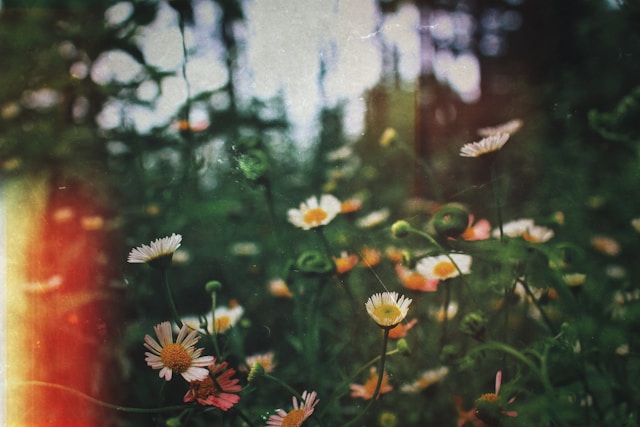
Inverted thinking might help here: instead of asking what do I want to grow, ask what will actually grow for me without a fight? That shift alone saves beginners years of frustration.
Food gardening has surged, and for good reason—it’s satisfying to pluck something edible from your own soil. But which is the best plant for gardening when your goal is a steady harvest without constant babysitting?
Tomatoes: A classic, though they need staking and regular watering. Still, their yield-to-effort ratio makes them worth it.
Lettuce and leafy greens: Quick to grow, endlessly useful in the kitchen, and forgiving even if conditions aren’t perfect.
Herbs like basil, mint, or rosemary: Compact, fragrant, and indispensable in cooking. They’re the unsung heroes of edible gardens.
Gardens aren’t created equal, and light is often the biggest determining factor. Many people overlook this when choosing the best plant for gardening in their space.
When shade covers your soil, gardening under trees might feel impossible. Yet, by choosing groundcovers or shade-loving flowers, you transform neglected areas into thriving ecosystems.
It might surprise you, but often the best plant for gardening isn’t exotic or rare. It’s the native plants growing naturally around you. Why? Because they’ve adapted over centuries to your soil, rainfall, and climate. They attract local pollinators, resist local pests, and rarely need pampering.
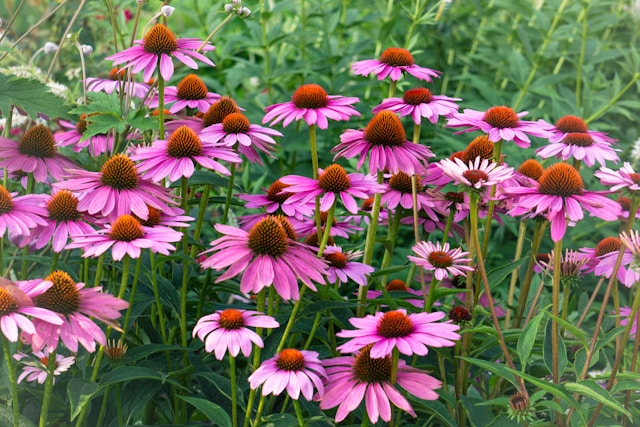
Coneflowers in North America, bluebells in the UK, or kangaroo paw in Australia—each region holds its champions. Adding natives isn’t just practical, it’s ecologically responsible.
Consider comfrey, for instance. While not glamorous, it replenishes soil nutrients and works as a natural mulch when chopped and dropped.
Here’s the twist: there isn’t one single best plant. The phrase itself hides a paradox. The best plant for gardening is the one that thrives where you live, aligns with your goals, and gives you joy. For some, it’s the sunflower towering like a golden sentinel. For others, it’s parsley tucked between tomatoes, or a lavender hedge buzzing with bees.
When plants grow with minimal resistance, when they blend beauty with function, and when they invite you to linger in the soil—then you’ve found the best plant for your gardening. And that’s what really matters.