Physical Address
304 North Cardinal St.
Dorchester Center, MA 02124
Physical Address
304 North Cardinal St.
Dorchester Center, MA 02124

Most gardeners think of compost, mulch, and fertilizers when they talk about enriching soil — but few realize there’s a quiet hero waiting in the shadows: charcoal for gardening. Not the kind you toss on your summer grill, but a refined, plant-friendly version that’s been used for centuries to transform tired, nutrient-poor soil into thriving, living earth.
If you’ve ever felt frustrated by soil that seems to repel water, suffocate roots, or grow weaker with every season, then here’s some good news — charcoal for gardening can change that story.
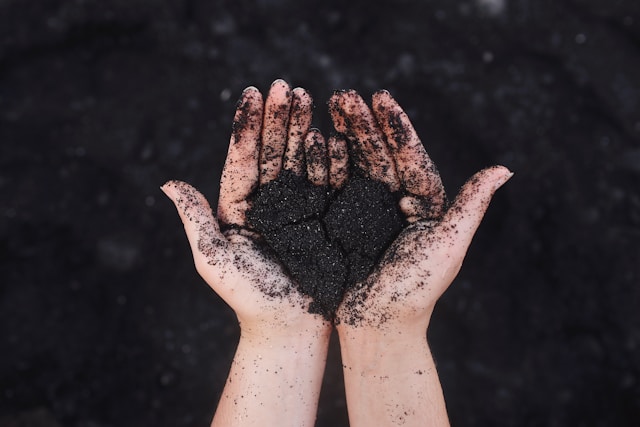
In essence, this isn’t ordinary charcoal. It’s known as horticultural charcoal or biochar, and it’s created by burning wood, plant matter, or organic materials in low oxygen. The result? A porous, carbon-rich substance that acts like a sponge — absorbing water, trapping nutrients, and giving beneficial microbes a cozy home to thrive in.
Think of it as a natural soil conditioner with an ancient legacy. In fact, early civilizations like the Amazonian tribes used charcoal to create “terra preta,” or black earth — soil so fertile it’s still rich hundreds of years later.
At first glance, charcoal doesn’t look like much — black, brittle, and lifeless. But beneath that dull surface lies magic.
When added to soil, charcoal for gardening becomes a micro-habitat. Those tiny pores act like luxury apartments for beneficial bacteria and fungi, which in turn help plants absorb nutrients more efficiently. The result? Healthier roots, better yields, and stronger plants that can handle drought and disease with ease.
Even more fascinating, charcoal doesn’t decompose like compost or manure. It stays active in the soil for years — sometimes decades — continuing to improve soil structure and retain moisture over time.
There’s a reason why gardeners are rediscovering charcoal for gardening and calling it a game-changer. Here’s what makes it so powerful:
Charcoal loosens compact soil, allowing oxygen to circulate freely around plant roots. In heavy clay soil, this is a lifesaver.
Despite its porous nature, charcoal holds moisture like a sponge — keeping your plants hydrated longer and reducing the frequency of watering.
Ever dealt with sour-smelling soil? Charcoal absorbs impurities and balances pH, creating a cleaner, healthier root zone.
Those small crevices in charcoal provide refuge for beneficial microorganisms, helping create a living, breathing ecosystem underground.
When used alongside compost or organic fertilizers, charcoal locks in nutrients and slowly releases them over time — reducing waste and leaching.
Using charcoal for gardening isn’t complicated, but doing it right makes all the difference.
1. Choose the Right Type
Avoid using barbecue charcoal or anything with chemicals. Look for activated charcoal, biochar, or horticultural charcoal — all of which are safe and beneficial for plants.
2. Charge the Charcoal
Here’s the step most beginners skip — and regret later. Raw charcoal can absorb nutrients so well that it might actually deprive plants at first. To prevent this, “charge” it before use. Soak it in compost tea, organic fertilizer, or even aged manure for a week. This process fills the pores with nutrients and microbes, ready to feed your plants.
3. Mix It into the Soil
Blend the charged charcoal into your garden soil at a ratio of about 1 part charcoal to 4 parts soil. You can also sprinkle it on top as mulch or mix it into potting soil for container plants.
4. Combine with Compost
Charcoal works best when paired with organic matter. Add it to your compost pile — it will speed up decomposition, reduce smells, and keep essential nutrients from washing away.
While nearly all plants can benefit, some respond particularly well to charcoal for gardening.
So, whether you’re tending a lush garden bed or a collection of indoor greens, charcoal can be your silent ally.
Beyond plant growth, using charcoal for gardening carries an environmental bonus. Biochar helps lock carbon into the soil, keeping it out of the atmosphere — a win for gardeners and the planet alike. In a time when sustainable practices matter more than ever, this is one small habit that makes a global impact.
Even small-scale gardeners can make a difference. A single pound of biochar added to soil can store carbon for decades while improving fertility. It’s not just gardening — it’s climate action from your backyard.
Even with all its benefits, charcoal must be used wisely. Avoid these pitfalls:
When we talk about soil health, we often think in short cycles — one season, one harvest. But charcoal for gardening invites a longer view. It’s a gift you give to your soil that keeps giving back, year after year.
In the garden, patience always pays. And when charcoal becomes part of your soil, that patience turns into lasting fertility, resilience, and balance. Whether you’re growing herbs on a balcony or vegetables in your backyard, try adding a handful of charcoal — you’ll notice the difference not just in the soil, but in the soul of your garden itself.