Physical Address
304 North Cardinal St.
Dorchester Center, MA 02124
Physical Address
304 North Cardinal St.
Dorchester Center, MA 02124


There’s something deeply satisfying about sinking your hands into the soil — that earthy scent, that quiet connection with nature. But if you’ve ever wrestled with a rose bush or tried pruning a stubborn bougainvillea, you already know the truth: gardening isn’t all soft petals and gentle breezes. It bites, scratches, and sometimes bleeds, so you need to use thorn-proof gardening gloves for the best plant care.
That’s where thorn-proof gardening gloves step in — not just as a layer of fabric, but as a shield between your passion and the pain it can bring.
And while you’re out there nurturing the best plant for gardening, those gloves can mean the difference between a joyful Sunday in the garden and a bandaged hand wishing you’d been more careful.
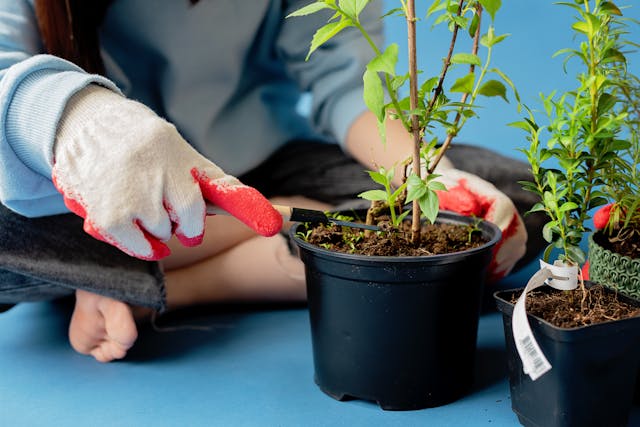
Anyone who’s ever reached into a rose bush without protection knows how unforgiving nature can be. Those tiny, sneaky thorns? They aim straight for the softest parts of your hand. And it’s not just roses — cactus, blackberry bushes, lemon trees, and even some herbs can put up a fight.
A pair of thorn-proof gardening gloves becomes less of an accessory and more of a necessity. They let you prune, weed, and dig with confidence. The thick yet flexible material forms a barrier without stealing your dexterity — something ordinary gloves rarely achieve.
You see, gardening isn’t just about growing things; it’s about enduring a few pricks along the way. With the right gloves, though, the fight becomes fair.
There’s a certain irony in using your hands to grow beauty and ending up with scratches. Thorn-proof gloves fix that irony.
Durability: These gloves are built to survive where others surrender. Reinforced leather palms, double stitching, and long cuffs mean even the most aggressive brambles can’t win.
Comfort: Modern versions are surprisingly soft inside. You can work for hours without that “sweaty hands” feeling.
Protection: From rose thorns to sharp twigs and even insect bites, they’ve got you covered — literally.
If you’re planting the best plant for gardening — say, something thorny yet gorgeous like roses or bougainvillea — a good pair of gloves will keep you loving your plants instead of resenting them.
Not all gardeners are alike, and neither are their plants. Some crave bursts of colour; others prefer lush greenery. The best plant for gardening depends entirely on what speaks to you.
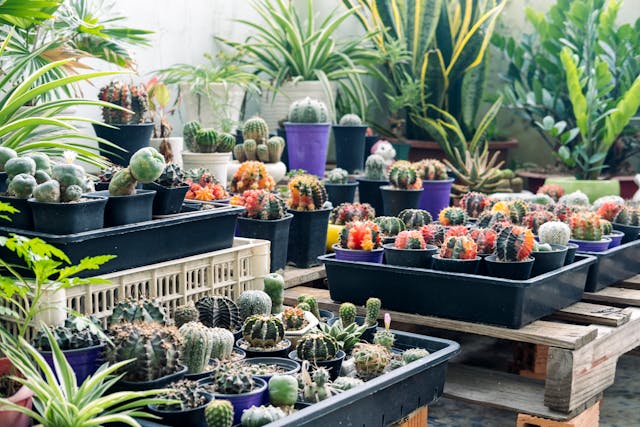
For low-maintenance gardeners: Opt for succulents, snake plants, or jade plants. Minimal effort, maximum satisfaction.
For flower lovers: Roses, lavender, and hibiscus never go out of style. Just be ready for their thorns — those gloves will come in handy.
For herbal enthusiasts: Basil, mint, and thyme make perfect kitchen companions. They grow fast and smell divine.
For the eco-friendly gardener: Native wildflowers or pollinator-friendly plants like echinacea and bee balm help the environment while beautifying your space.
Whatever you choose as the best plant for gardening, your gloves will always be your silent partner — enduring the roughness so your hands can focus on creation.
Here’s the tricky bit — not all gloves labeled “thorn-proof” truly are. Some just pretend to be tough until the first rose stem proves them wrong.
When choosing the right pair, keep these in mind:
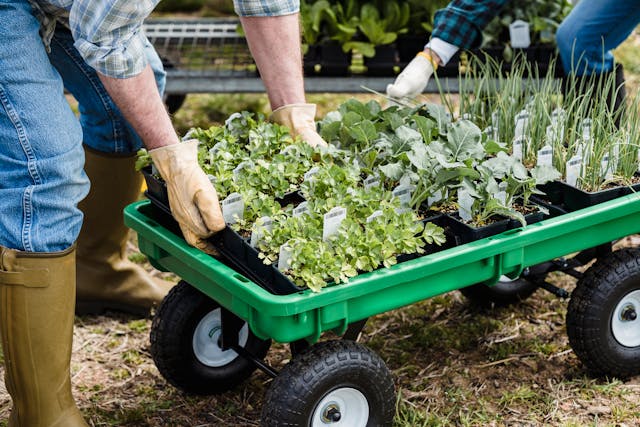
The best gloves feel like a natural extension of your hands — sturdy, but not stiff. Protective, yet surprisingly soft.
There’s a certain peace that only gardeners understand — that stillness when the only sounds are rustling leaves and a trowel sinking into the dirt. With your gloves on, you move through your garden like a craftsman in their element.
You don’t flinch at thorns or hesitate at the sight of weeds. Instead, you glide — pruning, planting, reaping.
And while you’re tending the best plant for gardening, those gloves don’t just protect; they empower. They give you confidence. Freedom. The ability to focus on nurturing rather than defending.
Because gardening isn’t just about growing plants — it’s about preserving the hands that make it happen.
Even the toughest gloves deserve care. After all, they’re your loyal soldiers in the battle against brambles.
After use: Shake off soil and rinse lightly. Don’t soak them unless necessary.
For leather gloves: Wipe with a damp cloth and let them air dry — never near direct heat.
For synthetic ones: Mild soap and warm water work fine.
Storage: Keep them in a dry spot; moisture is their quiet enemy.
Treat your gloves well, and they’ll last for years — long enough to see your garden evolve from bare soil to a thriving green paradise.
It’s funny how something as simple as gloves can change the entire gardening experience. With thorn-proof gardening gloves, you move differently — confidently, comfortably.
They let you dig deeper, prune harder, and linger longer. They make you fearless.
And when you’re out there, hand in glove, caring for the best plant for gardening, you’re reminded that comfort and protection aren’t luxuries — they’re part of the craft.
Because at the end of the day, gardening isn’t about avoiding the thorns; it’s about embracing the beauty that comes with them — safely, wisely, and with a pair of gloves that never let you down.