Physical Address
304 North Cardinal St.
Dorchester Center, MA 02124
Physical Address
304 North Cardinal St.
Dorchester Center, MA 02124


In an age when living spaces are shrinking but our love for greenery keeps growing, portable gardening has quietly become the modern gardener’s best-kept secret. Whether you live in a city apartment, move often, or simply enjoy rearranging your green companions, this flexible way of gardening lets you cultivate life in motion.
Strangely enough, the idea isn’t new. Ancient travellers once carried potted herbs on ships to ensure fresh flavour at sea. Today, the concept has evolved into stylish mobile planters, hanging pots, and compact grow kits that make planting not only practical but also deeply personal.
And here’s the fascinating part — even the best plant for gardening can thrive in a portable setup, as long as you know how to tailor its environment.
Portable gardening is not just a trend — it’s a lifestyle shift. For many, it’s the freedom to garden without boundaries. For others, it’s the art of adaptability — a green corner that can move with the sun, the mood, or the season.
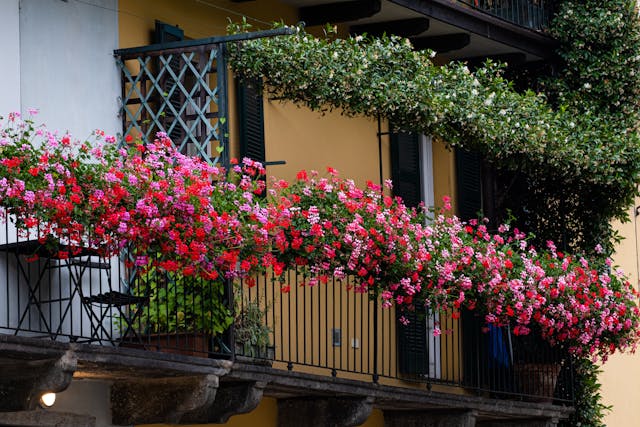
When space is tight, portability solves the problem beautifully. You can grow herbs on your kitchen windowsill, move flowering pots to follow daylight, or create a vertical garden that thrives on your balcony.
In a sense, portable gardening represents modern resilience — a way to stay connected to nature in an ever-changing world. Whether it’s succulents basking on a work desk or petunias brightening a rented patio, it’s proof that growth isn’t tied to the ground beneath you.
Not every plant loves being uprooted or confined to pots. That’s where your choice becomes crucial. When selecting the best plant for gardening, especially for portable setups, look for resilience, compact size, and adaptability.
Here are some excellent options:
Herbs like basil, mint, and rosemary — small, aromatic, and easy to move.
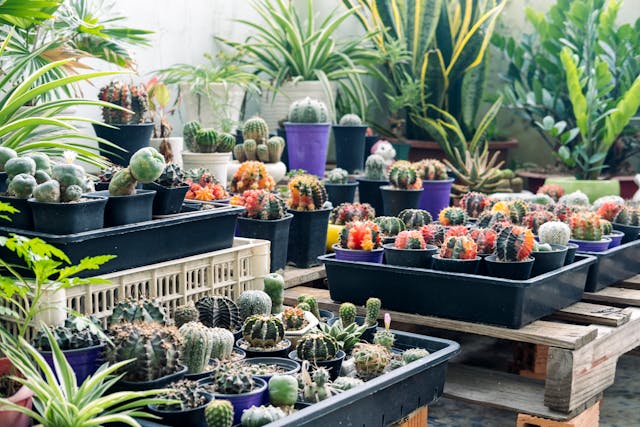
Succulents — practically indestructible and perfect for beginners.
Miniature roses or geraniums — vibrant blooms that tolerate frequent repositioning.
Leafy greens such as spinach and lettuce — ideal for edible portable gardens.
Snake plants or pothos — hardy houseplants that don’t mind less light or irregular watering.
The secret? Match your plant to your lifestyle. If you travel frequently, choose low-maintenance varieties. If you love colour and creativity, go for flowering species that add life wherever you take them.
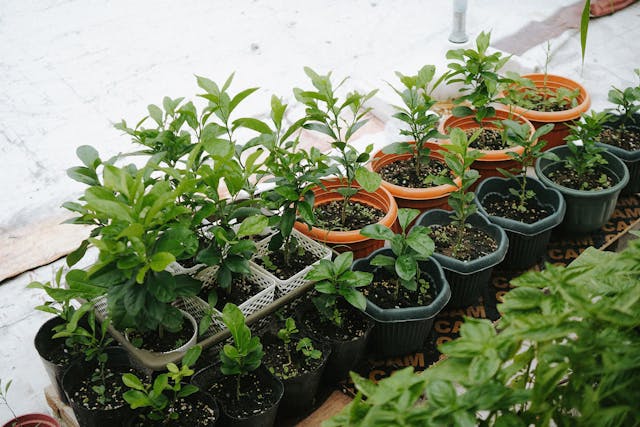
Your plants’ home matters just as much as the plants themselves. Portable gardening thrives on clever containers — lightweight, durable, and stylish.
Best Materials for Portable Gardening Pots
Fabric Grow Bags – Breathable and flexible, ideal for herbs and vegetables.
Plastic Planters – Lightweight and affordable, easy to move around.
Terracotta Pots – Classic and elegant, though heavier for transport.
Self-watering Planters – A game-changer for those who travel frequently.
And for those seeking creativity — old crates, buckets, or even recycled tins can become charming mini-gardens. It’s not about perfection; it’s about personality.
The magic of portable gardening lies in its versatility. Unlike traditional gardens, it lets you design as you go. Move pots for better sunlight, rearrange colour patterns, or create zones for different moods — an herb corner here, a floral accent there.
If you live in an apartment, consider vertical portable gardening — shelves, hanging baskets, or tiered stands. For larger spaces, wheeled plant stands or mobile planter carts let you redesign your garden anytime you wish.
When properly arranged, even the best plant for gardening — from lavender to marigold — can thrive in limited soil if the setup encourages good drainage and airflow.
Maintaining a mobile garden isn’t complicated — but it does require mindfulness.
Portable planters dry out faster than ground gardens. A consistent watering schedule or self-watering pots can save your plants from stress.
One of the perks of portability? You can chase the sunlight. Observe how the light shifts through the day and rotate your pots accordingly.
Frequent watering washes away nutrients quickly. Use slow-release organic fertilisers to keep your plants strong.
Every few months, replace or refresh your potting mix. Lightweight, nutrient-rich soil helps roots breathe and prevents compaction.
Each season paints a different story, and portable gardening allows you to adapt beautifully.
The best plant for gardening in winter might be a hardy succulent or evergreen, while summer invites vibrant blooms and edible greens.
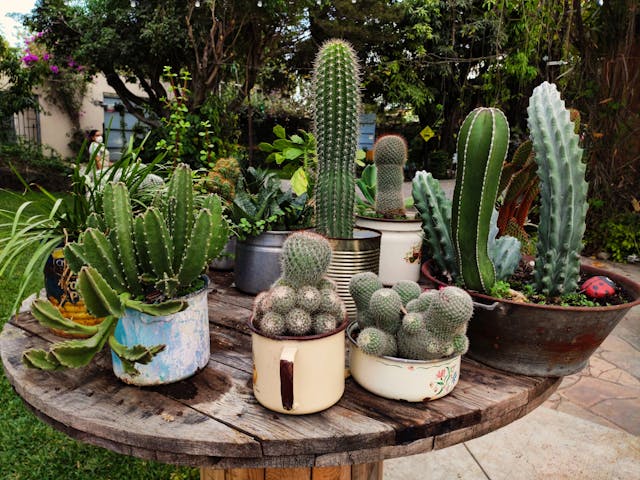
Interestingly, portable gardening supports sustainability too. Using recycled containers, compostable pots, and organic soil reduces waste and nurtures a more mindful lifestyle.
Even better, it promotes local biodiversity — especially when you grow pollinator-friendly plants like lavender, daisies, or thyme. Small gardens, when multiplied across balconies and patios, create vast urban green networks.
It’s freedom in its purest form — to grow, nurture, and move with life. Portable gardening breaks the notion that a garden needs to be rooted to one place. Instead, it gives you flexibility, creativity, and sustainability rolled into one.
So, whether you’re growing herbs on a city balcony or displaying the best plant for gardening on a movable stand, remember: every pot is a promise of growth — anywhere, anytime.
Gardening has never been so personal. Portable gardening isn’t just a hobby; it’s a lifestyle that adapts to modern needs — a beautiful dance between nature and motion.
With the right plants, clever containers, and a touch of imagination, you can build a green sanctuary that travels with you — proving that even when life shifts, your garden can too.