Physical Address
304 North Cardinal St.
Dorchester Center, MA 02124
Physical Address
304 North Cardinal St.
Dorchester Center, MA 02124

Quietly, almost unnoticed, the garden changes. Temperatures dip. Pests appear earlier than expected. Winds arrive without warning. And yet—beneath a soft veil of fabric—plants continue growing as if nothing happened. This is the quiet magic of row cover gardening.
Used by both backyard growers and market farmers, row covers are one of those rare tools that feel simple but work deeply. They don’t shout innovation. Instead, they whisper protection. And in gardening, whispers often matter more than noise.
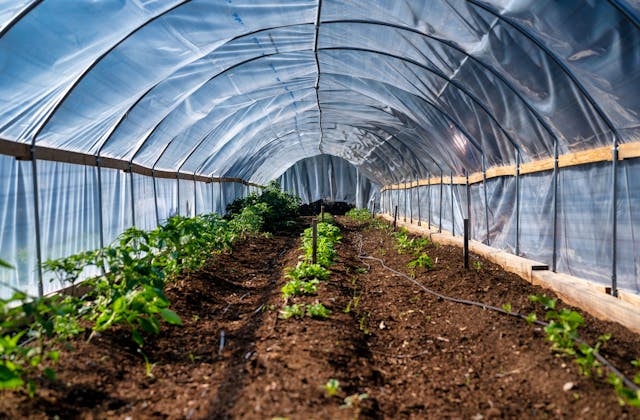
At its core, row cover gardening is about shielding plants without sealing them away from the world. Lightweight fabrics, mesh materials, or plastic sheets are placed over crops to create a controlled microclimate—one that still breathes, still allows light, yet softens the harshness of nature.
What makes this method special isn’t just protection. It’s timing, extension, and also flexibility.
When seasons feel shorter than they used to, row covers stretch them gently, like easing a stiff joint back into motion.
Before the how, there’s the why. And there are many.
Row cover gardening offers a balance—between openness and defense. Instead of fencing plants in, it shelters them lightly. Cold snaps lose their bite. Wind calms. Insects meet a barrier that doesn’t require chemicals.
Even better, these covers don’t demand permanent commitment. They’re installed, adjusted, and removed. Gardening stays fluid.
Some gardeners use them in early spring to warm the soil. Others rely on them in the fall to protect tender greens. Many, once they start, never really stop.
Not all row covers behave the same, and understanding their differences changes everything.
These are the most common in row cover gardening. Made from spun-bonded fabric, they allow light, air, and water to pass through while offering mild frost protection.
Perfect for:
They feel like gauze for the garden—soft, flexible, forgiving.
As the weight increases, so does insulation. These covers trap more heat but let in less light.
Ideal for:
Here, row cover gardening becomes less about growth and more about survival.
Sometimes warmth isn’t the problem. Sometimes it’s wings.
Mesh covers protect crops from pests while maintaining airflow. No chemicals. No sprays. Just distance.
Best used for:
In this form, row cover gardening becomes a strategic defense.
Strangely enough, the biggest benefit often goes unnoticed. Row covers don’t just protect—they accelerate.
Covered soil warms faster in spring. Seeds germinate sooner. Growth starts earlier. That small head start compounds over weeks.
Likewise, in autumn, covers slow heat loss. Plants keep producing when uncovered beds give up.
What emerges is time—extra weeks that feel like stolen treasure.
Contrary to how it looks in professional gardens, row cover gardening doesn’t require perfection.
Start simple.
Hoops made from PVC, wire, or even bent branches support the fabric. Edges are secured with soil, rocks, or clips. The goal isn’t tightness—it’s consistency.
Plants should have room to breathe and grow. Covers should lift, not press.
And always remember: flexibility beats rigidity. Adjust as needed. Nature will demand it.
Here’s where attentiveness matters.
On sunny days, temperatures under row covers can spike. What protects at night may overheat by noon.
Ventilation becomes key. Lift the edges. Remove the cover temporarily. Let plants feel the day.
It works best when it’s responsive, not static.
Not all plants respond the same way. Some love the shelter. Others resent it.
Excellent candidates include:
Heat-loving plants may not need covers for warmth—but benefit from wind and pest protection.
Observation, as always, guides success.
Mistakes happen. The key is learning quickly.
One common issue is leaving covers on too long. Pollinators can’t access flowering plants. Growth becomes leggy. Moisture builds up.
Another is insufficient anchoring. Wind doesn’t forgive laziness.
Row cover gardening succeeds when paired with presence—checking, adjusting, and responding.
In an age of disposable solutions, row covers offer longevity.
Quality fabric lasts for years. Chemical use drops. Soil stays healthier. Beneficial insects are spared broad-spectrum treatments.
Row cover gardening fits naturally into organic and low-impact gardening philosophies. It protects without dominating.
And that feels right.
For many gardeners, the answer arrives quietly—when crops survive an unexpected frost, when harvests stretch longer than expected, when pests simply… don’t show up.
Row covers don’t guarantee perfection. Nothing does.
But they tip the odds gently, persistently, in your favor.
And sometimes, that’s all a garden needs.
Gardening has always been about cooperation—between human intention and natural forces. Row cover gardening doesn’t try to control nature. It negotiates.