Physical Address
304 North Cardinal St.
Dorchester Center, MA 02124
Physical Address
304 North Cardinal St.
Dorchester Center, MA 02124


Unforgiving winds, salty air, sandy soil—at first glance, gardening near the coast feels like an impossible dream. And yet, standing stubbornly against the breeze, thriving gardens do exist by the sea. Not by accident, but by understanding. Beach gardening is less about fighting nature and more about learning its language.
When soil drains too quickly, and salt sneaks into every leaf, traditional methods fall short. Still, with the right mindset and a few clever adjustments, beach gardening transforms harsh coastal conditions into a surprisingly productive growing environment.
Before planting even a single seed, it helps to know what you’re up against. Beach gardening presents challenges that inland gardeners rarely face.
Salt exposure is constant—carried by mist, wind, and sometimes the soil itself. Then there’s sandy ground that refuses to hold nutrients or moisture for long. Add intense sunlight and strong coastal winds, and plants can quickly become stressed.
Yet, oddly enough, these same challenges create an opportunity. Fewer pests, improved drainage, and moderate winter temperatures can actually benefit the right plants.
Sandy soil drains fast. Too fast. Nutrients leach away before roots can absorb them, leaving plants hungry and weak.
To counter this, successful beach gardening relies on soil improvement. Organic matter—compost, aged manure, leaf mold—becomes essential. Mixed deeply into planting areas, it helps sandy soil hold both nutrients and water, creating a more balanced environment for roots.
Raised beds are another popular solution. They allow full control over soil quality while keeping plants above salt-affected ground.
Not all plants belong by the sea, and beach gardening quickly teaches that lesson. Salt-tolerant and wind-resistant plants perform best, especially those with thick leaves, waxy coatings, or flexible stems.
Some plants seem almost made for coastal life. Ornamental grasses, lavender, rosemary, daylilies, and beach sunflowers are common winners. Many native coastal plants also adapt effortlessly, having evolved to handle salty air and sandy roots.
Vegetables, while more delicate, aren’t off-limits. Tomatoes, peppers, kale, and squash can grow well with added care—especially when protected from wind and fed consistently.
In beach gardening, choosing resilient plants often matters more than soil amendments or watering schedules.
Wind is one of the most underestimated challenges in beach gardening. Constant airflow dries soil, damages leaves, and slows plant growth. But blocking wind entirely can cause new problems, such as reduced air circulation and heat buildup.
Instead, gardeners use windbreaks. Fences made from slatted wood, bamboo screens, or living hedges slow the wind rather than stopping it outright. This gentle reduction protects plants while allowing light and airflow to remain balanced.
Strategically placed shrubs or trellises can also shelter smaller plants without turning the garden into a closed space.
Water behaves differently in sandy soil—it disappears. For beach gardening, deep and consistent watering is far more effective than frequent shallow sprinkling.
Drip irrigation works especially well. It delivers moisture slowly, directly to the roots, reducing waste and evaporation. Mulching is just as important. A thick layer of straw, bark, or seaweed (rinsed of excess salt) helps retain moisture and regulate soil temperature.
Surprisingly, beach gardening often requires less water once systems are established—because well-adapted plants need less intervention.
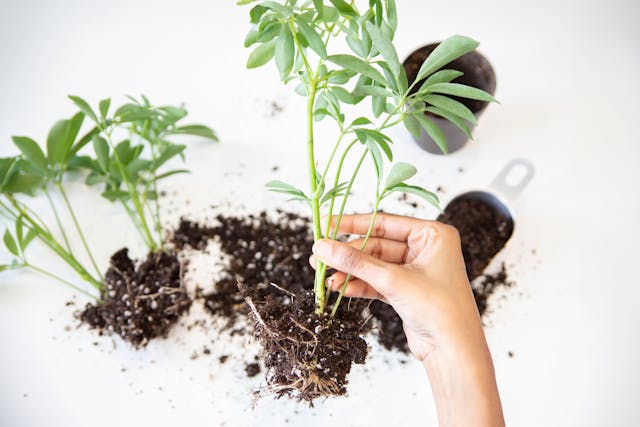
Because nutrients wash away quickly in sandy soil, fertilizing becomes a long-term strategy rather than a one-time fix. Slow-release organic fertilizers perform best, feeding plants gradually without overwhelming roots.
Compost tea and seaweed extract are popular among coastal gardeners. They replenish micronutrients while improving soil structure. Regular soil testing can also help prevent nutrient imbalances—an often overlooked part of beach gardening success.
For many gardeners, raised beds gardening becomes the foundation of beach gardening. They elevate plants above poor native soil while allowing precise control over growing conditions.
Containers work equally well, especially for herbs and vegetables. They can be moved away from intense wind or salt spray when necessary, giving flexibility that in-ground gardens lack.
Terracotta, wood, and heavy ceramic containers perform better than plastic, which can degrade quickly under intense coastal sunlight.
Coastal climates often enjoy milder winters and cooler summers, extending the growing season. That said, storms and salt exposure increase during certain times of year.
Spring planting works best once strong winds subside. Fall, often overlooked, can be ideal for root establishment thanks to cooler temperatures and reduced evaporation.
In beach gardening, timing matters just as much as technique.
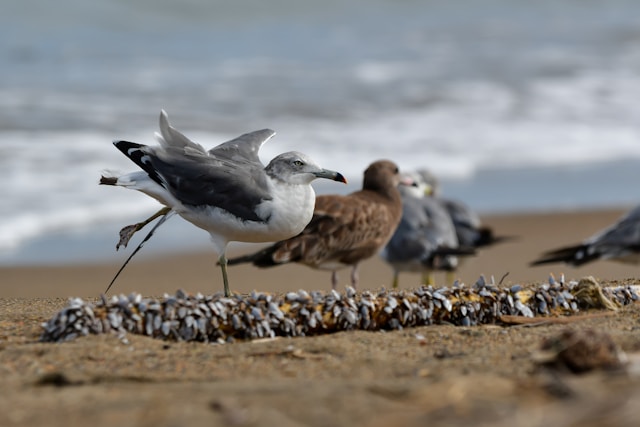
Interestingly, beach gardening often comes with fewer pests. Salt air and wind discourage many insects that plague inland gardens.
Still, some pests remain. Aphids, caterpillars, and mites can appear, especially on stressed plants. Maintaining healthy plants healthy through proper watering and nutrition is the first line of defense.
Natural pest control methods—such as beneficial insects, neem oil, and manual removal—work effectively without harming the surrounding ecosystem.
Beyond productivity, beach gardening offers a chance to design with nature rather than against it. Soft textures, flowing grasses, and native plants create a landscape that feels at home by the sea.
Curved paths, natural stone borders, and weathered wood enhance the coastal aesthetic. Gardens designed this way don’t just survive coastal conditions—they celebrate them.
Beach gardening isn’t about perfection. It’s about resilience, adaptation, and understanding the rhythm of the coast. When plants bend with the wind instead of breaking, when soil improves slowly over time, the garden becomes more than a growing space—it becomes a reflection of the shoreline itself.
With thoughtful plant choices, improved soil, and smart protection strategies, beach gardening turns one of the harshest environments into a surprisingly rewarding place to grow.
And perhaps that’s the real appeal: creating life where others see only sand and salt.