Physical Address
304 North Cardinal St.
Dorchester Center, MA 02124
Physical Address
304 North Cardinal St.
Dorchester Center, MA 02124

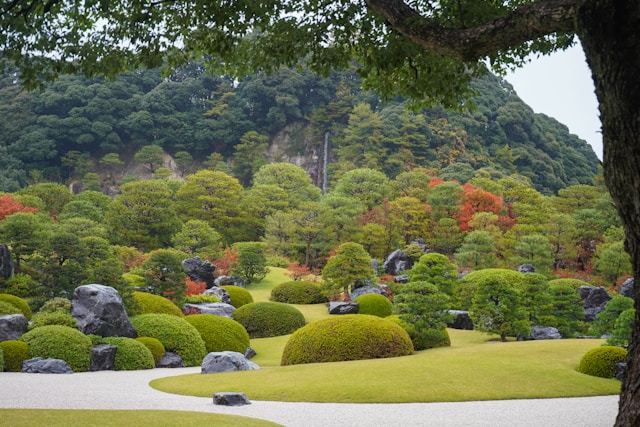
Unexpected though it may seem, stone has always belonged in the garden. Long before mulch bags lined store shelves or plastic borders defined flower beds, nature relied on rock—weathered, quiet, dependable. Today, gardening rock is not just decorative. It is structural, functional, expressive, and deeply rooted in sustainable design.
Whether scattered gently around plants or arranged with intention into pathways, borders, or focal points, gardening rocks change how a garden feels. It slows the eye. It grounds the space. And, subtly, it improves how your garden works.
Let’s explore how gardening rocks can elevate both beauty and practicality, one stone at a time.
At its core, gardening rock refers to stones, pebbles, gravel, or decorative rocks used intentionally in garden landscapes. However, its role goes far beyond appearance.
Gardening rocks help regulate soil temperature, improve drainage, suppress weeds, prevent erosion, and even protect plant roots. Meanwhile, visually, it introduces texture and contrast—something soil and greenery alone cannot achieve.
In gardens both modern and traditional, rocks serve as silent partners, supporting growth while shaping design.
Not all gardening rock behaves—or looks—the same. Choosing the right type depends on both function and style.
Smooth river stones, polished pebbles, and white marble chips are often used for visual impact. These rocks reflect light, brighten shaded areas, and define clean lines in modern gardens.
They work particularly well around:
Gravel and crushed rock shine when drainage matters. Used beneath raised beds or along pathways, these forms of gardening rock prevent standing water and muddy surfaces.
Because air flows easily between stones, roots stay healthier, especially in rainy climates.
Porous and lightweight, lava rock provides excellent insulation while remaining breathable. It retains moisture yet avoids compaction, making it ideal for ornamental beds and heat-loving plants.
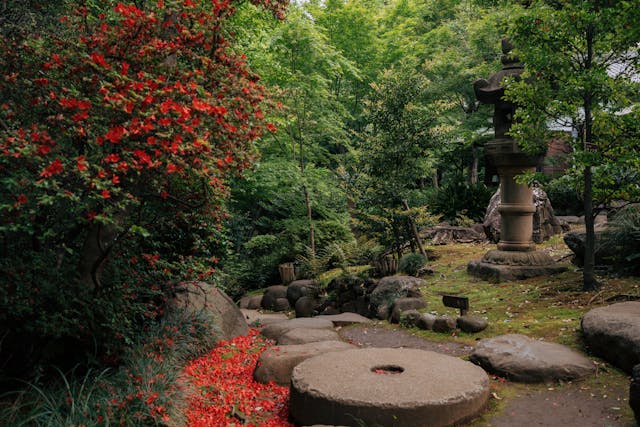
Surprisingly, gardening rock contributes to healthier soil conditions when used correctly.
Unlike organic mulch, rock mulch does not decompose. It forms a stable barrier that slows evaporation, especially in hot climates. Beneath it, the soil remains cooler and more consistent in moisture.
However, balance is key. Rock mulch works best when combined with proper soil preparation and the addition of organic matter beneath.
Sloped gardens benefit immensely from stone. When rain falls heavily, the soil alone washes away. Rocks hold it in place.
Strategically placed gardening rocks along slopes, edges, and water channels slow runoff and protect root systems from exposure.
Gardens speak visually—and rock helps tell the story.
Instead of plastic or metal edging, stones create organic boundaries. Rough or irregular rocks feel natural, while uniform stones offer structure.
Used along beds, gardening rock defines space without shouting for attention.
Stone paths guide movement while protecting soil from compaction. Gravel paths crunch pleasantly underfoot; stepping stones invite exploration.
Even narrow garden spaces benefit from simple rock walkways.
One large stone, placed intentionally, can anchor an entire garden design. It draws the eye, offers seating, and connects the garden to nature’s raw form.
Time, after all, is precious.
Reducing Weeds with Gardening Rock
When installed with landscape fabric underneath, gardening rock dramatically reduces weed growth. Sunlight struggles to reach seeds, and pulling weeds becomes far less frequent.
For gardeners seeking low maintenance without sacrificing beauty, this is a major advantage.
Unlike wood mulch that fades or decomposes, rock lasts. Year after year, it remains unchanged—rain, sun, frost included.
While the initial installation may take effort, maintenance afterward becomes minimal.
Choosing the Right Gardening Rock for Your Space
Not every rock suits every garden.
In hot climates, light-colored rocks reflect heat. Dark stones absorb it. Choosing incorrectly may stress nearby plants.
Cold regions, on the other hand, benefit from stones that retain warmth and protect roots during temperature swings.
Small gardens overwhelm easily. Large rocks may dominate. Conversely, tiny pebbles disappear in spacious landscapes.
Matching rock size to garden scale ensures harmony.
Common Mistakes to Avoid When Using Gardening Rock
Even beautiful materials can fail if misused.
Skipping soil preparation: Rocks placed over poor soil won’t fix drainage alone.
Overusing rock mulch: Plants still need nutrients from organic matter.
Ignoring heat buildup: Too much stone around delicate plants may cause stress.
Poor edging: Without proper borders, rocks migrate over time.
Avoiding these mistakes ensures gardening rock remains a benefit, not a burden.
Gardening rocks align naturally with sustainability.
Reclaimed stone, locally sourced gravel, and recycled construction materials reduce environmental impact. Meanwhile, fewer replacements mean less waste over time.
When paired with native plants, rock gardens reduce water use dramatically—an increasingly important consideration.
Trends change. Colors fade. Materials break down. But stone endures.
Gardening rock bridges beauty and the latest design, function, and form. It connects gardens to the land beneath them, reminding us that growth doesn’t always need softness—sometimes, it needs strength.
From minimalist patios to lush backyard retreats, rock remains relevant because nature never outgrows it.
Quietly powerful, endlessly adaptable, and visually grounding, gardening rocks transforms outdoor spaces in ways few materials can. Used thoughtfully, it supports plants, simplifies maintenance, and deepens the garden’s connection to nature.
And perhaps that is its greatest gift: not just how it looks, but how it helps a garden feel—calm, balanced, and enduring.