Physical Address
304 North Cardinal St.
Dorchester Center, MA 02124
Physical Address
304 North Cardinal St.
Dorchester Center, MA 02124

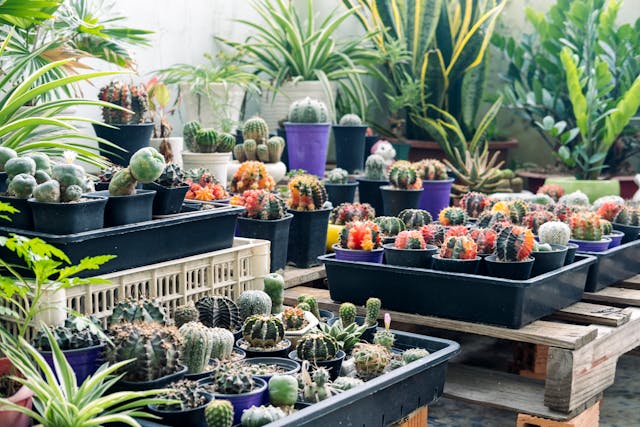
Unexpected, winter gardening often feels like a contradiction. Snow on pots? Frost on leaves? Yet quietly, and with little intention, container gardening in winter becomes not only possible but deeply rewarding. When the ground hardens and garden beds fall silent, containers step forward, flexible and forgiving, ready to shelter life against the cold.
Unlike in-ground gardening, containers allow movement, protection, and adaptation. Shift a pot, block the wind, chase the sun—simple actions that make all the difference. And while winter has a reputation for dormancy, it also carries opportunity.
Let’s break it down, thoughtfully and practically.
Before choosing plants or pots, understanding the nature of container gardening in winter matters. Cold behaves differently above ground. Soil freezes faster. Roots face exposure. Moisture lingers longer.
Yet, with the right approach, containers become microclimates—small ecosystems that resist winter’s harshest edges.
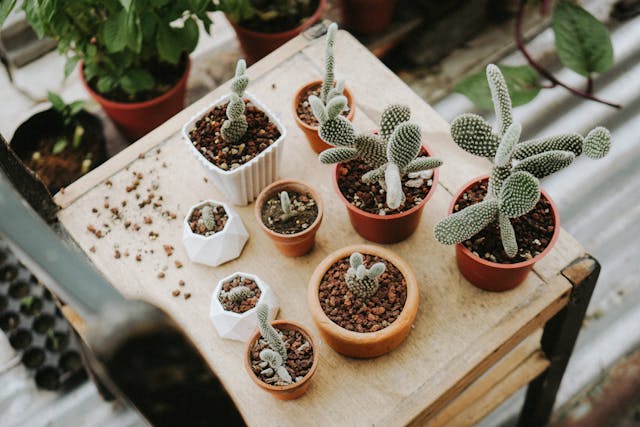
Not all containers are winter-ready. Some crack. Others retain too much moisture. Materials matter.
Avoid thin ceramic or unsealed clay pots unless protected—they crack under freeze-thaw cycles.
Raised slightly off frozen ground, containers drain better and stay warmer. Even a brick or wooden block helps.
When planning container gardening in winter, plant selection determines success. Hardy plants tolerate cold roots and limited light.
Inverted thinking helps here: choose plants that pause rather than push. Winter isn’t about blooming—it’s about enduring.
Often overlooked, soil becomes critical during winter container gardening. Compacted or soggy soil freezes faster, damaging roots.
Garden soil alone? Avoid it. It compacts and suffocates roots under cold conditions.
Light soil allows oxygen flow—even when temperatures dip.
Strangely enough, winter damage often comes from water, not cold.
Overwatering remains the most common mistake in container gardening in the winter season. Roots sit wet. Ice forms. Damage follows.
Dormant plants still need moisture—but sparingly.
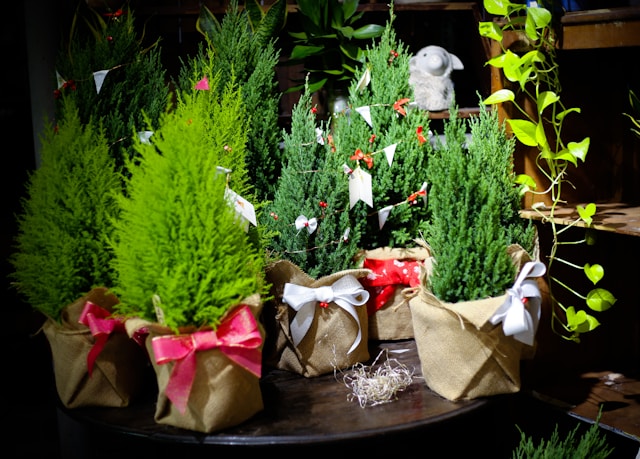
Wind steals warmth. Frost creeps in overnight. Containers need shields.
Inverted logic applies: protecting the pot protects the plant. Roots matter more than leaves in winter.
Shorter days change everything. Sun angles lower. Shadows stretch.
Even hardy plants weaken without light. Winter sun, though softer, still fuels survival.
Sometimes, the smartest move is transition.
Outdoor containers, meanwhile, thrive when sheltered.
Flexibility remains winter’s biggest advantage.
Mistakes don’t always show immediately—but winter remembers.
Avoid:
Successful container gardening in the winter season rewards attention more than effort.
Why bother? Because winter gardening teaches patience.
Containers allow:
Quiet months become preparation periods, not pauses.
As winter loosens its grip, containers wake first.
Remove insulation gradually. Increase watering slowly. Watch for new growth. Spring doesn’t arrive suddenly—it unfolds.
Well-maintained winter containers transition beautifully into the growing season.
Against expectation, container gardening in winter works—not because conditions are perfect, but because control exists. Containers adapt. Gardeners adjust. Plants endure.
Winter doesn’t end gardening. It refines it.
With thoughtful planning, proper protection, and patient care, containers keep your garden alive—quietly, resiliently—until warmth returns.