Physical Address
304 North Cardinal St.
Dorchester Center, MA 02124
Physical Address
304 North Cardinal St.
Dorchester Center, MA 02124

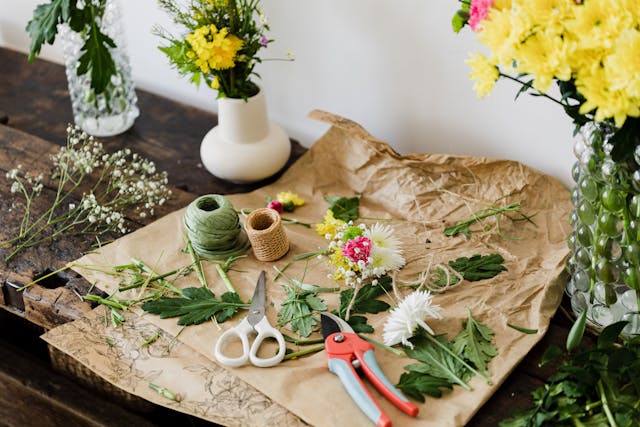
Unexpected, isn’t it—how a handful of fresh flowers can stop time for a moment? On kitchen tables, beside windows, or clutched gently in someone’s hand, flowers carry emotion. And tucked beneath that beauty lies a quiet, satisfying practice: cut flower gardening. Not merely gardening, not merely decorating—but something in between. Something alive.
Unlike traditional ornamental beds, cut flower gardening asks you to harvest generously. It encourages cutting, sharing, arranging, and growing again. And once you understand its rhythm, it becomes addictive in the best way possible.
At its core, cut flower gardening is the intentional cultivation of flowers meant to be harvested. These blooms are grown not to sit untouched in borders, but to be cut—often and confidently.
What makes this style so appealing is its practicality paired with beauty. Instead of spending money on bouquets that fade in days, your garden becomes the florist. More importantly, cutting flowers often stimulates more growth. The act of harvesting is not an ending—it’s an invitation for more blooms.
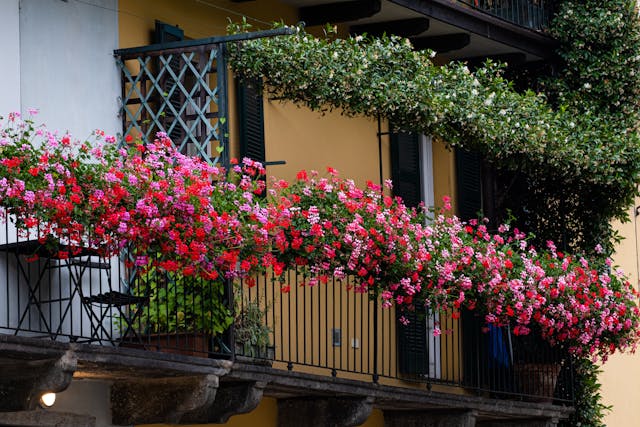
And perhaps most surprisingly, cut flower gardening fits into almost any lifestyle. Large yard? Perfect. Small backyard? Still works. Balcony or raised bed? Absolutely doable.
Not all flowers enjoy being cut. Some sulk. Others thrive. The secret lies in choosing varieties that respond enthusiastically to regular harvesting.
When selecting plants, focus on these proven performers:
These flowers don’t just tolerate cutting—they demand it. The more you harvest, the more they bloom.
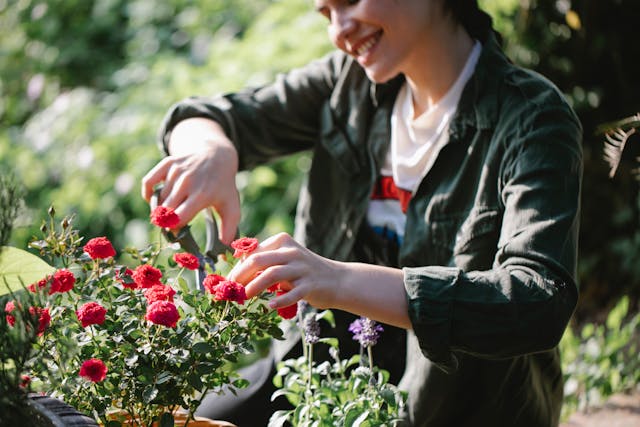
Annual flowers dominate most cut flower gardens for one simple reason: productivity. They grow fast, bloom heavily, and don’t hold grudges when cut.
Perennials, however, add long-term value. Peonies, yarrow, and echinacea can provide structure and dependable seasonal blooms. A balanced cut flower garden often includes both—annuals for volume, perennials for reliability.
Contrary to popular belief, cut flower gardening isn’t about aesthetics first. It’s about efficiency. Beauty follows naturally.
Rows often outperform decorative beds. Straight lines make harvesting easier, watering more efficient, and spacing clearer. That said, nothing stops you from blending structure with creativity.
Crowded flowers struggle. Give them room to breathe.
Morning sun paired with good airflow creates healthier stems and longer vase life.
Flowers are generous—but only if the soil feeds them well.
Loose, nutrient-rich soil is essential. Compost improves structure. Organic matter retains moisture. And balanced nutrients encourage strong stems rather than floppy growth.
Too much nitrogen leads to lush leaves and disappointing blooms. Instead:
Healthy soil eliminates the need for constant correction.
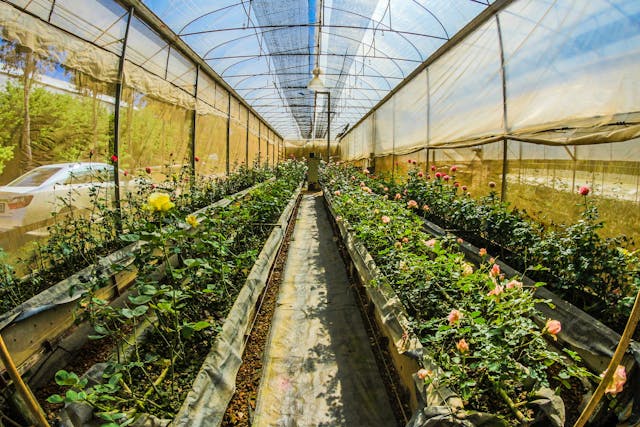
Timing matters. Staggered planting—also called succession sowing—ensures continuous blooms instead of one overwhelming flush.
Plant every two to three weeks during the growing season. This keeps flowers coming and prevents burnout.
Deep, infrequent watering builds stronger root systems. Shallow watering creates weak plants prone to stress.
Drip irrigation or soaker hoses work beautifully. They reduce disease risk and keep foliage dry.
Here’s where cut flower gardening truly shines.
Harvest early in the morning or late in the evening, when stems are fully hydrated. Use sharp, clean tools. Cut at an angle, just above a leaf node, encouraging regrowth.
Different flowers prefer different stages:
Experience teaches timing better than any guide ever could.
Once cut, flowers still breathe. Treat them gently.
Strip lower leaves. Use clean water. Change it every two days. And yes—simple flower food works wonders.
Cool temperatures slow aging. Keep arrangements away from heat sources and direct sunlight.
The reward? Bouquets that last days longer than store-bought alternatives.
Even experienced gardeners stumble. Common pitfalls include:
Perhaps the biggest mistake? Treating cut flowers like ornamental plants. Remember: they want to be cut.
There’s something deeply satisfying about cutting flowers you’ve grown yourself. It changes the relationship between gardener and garden. Instead of preserving perfection, you participate in abundance.
You give flowers away and fill rooms with color. You harvest beauty, then watch it return.
And quietly, unexpectedly, the garden teaches generosity.
Cut flower gardening isn’t just a trend—it’s a mindset. One rooted in renewal, sharing, and intentional growth.
Start small. Learn as you go. Cut freely. And allow your garden to surprise you.
Because when flowers are grown to be enjoyed—not just admired—they become something far richer than decoration. They become part of daily life.