Physical Address
304 North Cardinal St.
Dorchester Center, MA 02124
Physical Address
304 North Cardinal St.
Dorchester Center, MA 02124


Gardens don’t just bloom from the soil — they hum with life. And right in the middle of that music are the bees. From their early morning flights to the last golden rays of the day, bees play an unseen yet irreplaceable role in what we call gardening. But when we talk about a gardening bee, it’s not just about the buzzing insects — it’s also about the community spirit, teamwork, and nature’s little partnership that keeps everything alive and blooming.
The term “gardening bee” has two meanings — and both are beautifully connected. Traditionally, a “bee” meant a gathering of people who come together to work on a shared task — like a sewing bee, a quilting bee, or in this case, a gardening bee. It’s about hands in the soil, laughter in the air, and a sense of togetherness rooted in growing something meaningful.
But of course, it also reminds us of the actual bees — those tiny pollinators that make sure our gardens stay vibrant. Without them, even the best plant for gardening would struggle to bloom.
If you’ve ever seen a bee hover over a flower, you’ve witnessed magic in motion. Every buzz, every landing, every pollen-dusted flight — it’s all part of a natural cycle that keeps your garden alive.
Bees play a crucial role in pollinating fruits, vegetables, herbs, and flowers. Tomatoes, cucumbers, strawberries, lavender — all thrive because of them. So when you’re planning your garden, you’re not just choosing what’s beautiful — you’re choosing what feeds and welcomes these little pollinators.
It’s not just about what you like to grow; it’s about what the bees love, too. Choosing the best plant for gardening often means selecting blooms rich in nectar and pollen. Here are a few that bees absolutely adore:
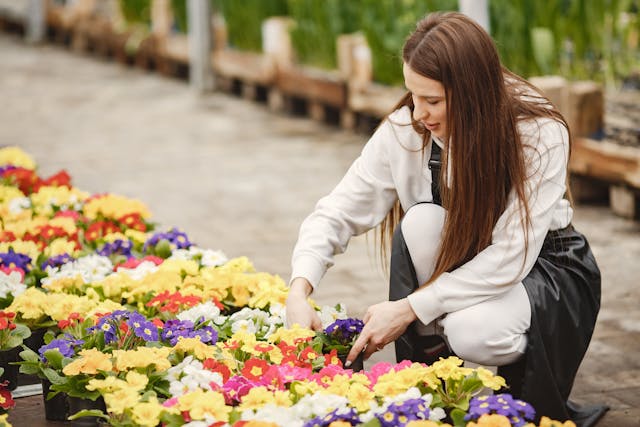
Planting these in clusters — not scattered — helps bees find and feed more efficiently.
Sometimes, the phrase “gardening bee” isn’t about the insects at all. It’s about you and your neighbours, working together to revive a park, schoolyard, or shared garden. These events often bring people closer — families plant flowers, kids paint signs, and everyone gets a bit of dirt under their fingernails.
Here’s how you can organize one:
Pick a purpose: Is it to beautify a space or grow vegetables?
Choose a day and time: Bees love the morning — so do gardeners.
Bring the essentials: Tools, gloves, compost, and refreshments.
Add bee-friendly plants: Incorporate the best plants for gardening that attract pollinators.
Celebrate the effort: Take photos, share stories, and keep the tradition alive.
When people come together, gardens grow differently — they grow with meaning.
If you want your garden to hum with life, you must think like a bee. That means planning for variety, colour, and continuous blooming seasons. A garden that offers nectar from early spring through late autumn becomes a safe haven for pollinators.
Add small water sources — a shallow dish with pebbles can become a mini bee oasis. Avoid pesticides; they don’t just harm pests, they hurt the helpers too.
You can also let certain plants go to flower — like basil or parsley — so the bees have more to feed on. These small gestures ripple through nature more than you might imagine.
If you’re serious about bee-friendly gardening, a few essentials can make your efforts easier:
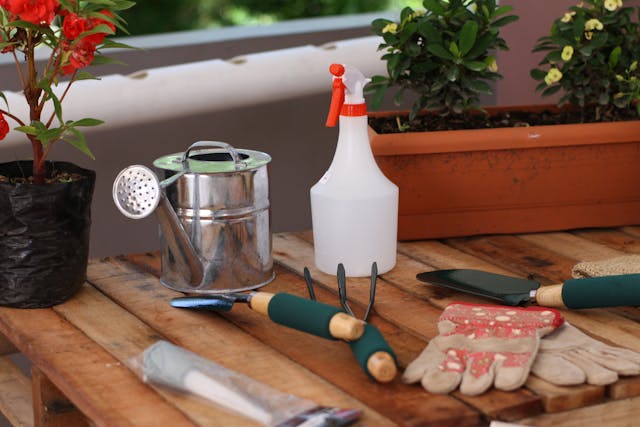
These aren’t just tools — they’re part of the ritual, part of what keeps a gardening bee joyful and efficient.
Bees and gardens share a secret pact: one feeds the other. When you plant wisely — when you choose the best plant for gardening that suits your soil, sunlight, and pollinators — you’re strengthening that pact. You’re inviting life back into balance.
And maybe that’s what gardening is all about — not just planting, but partnering. Between soil and sky. Between people and bees. Between what we grow and what keeps us growing.
Whether you’re attending a local gardening bee or watching real bees at work, remember — every flower, every buzz, every breath of fragrance in your garden connects you to something much larger.
The hum you hear in the garden? That’s not just bees. That’s life itself — working in harmony, one petal at a time.