Physical Address
304 North Cardinal St.
Dorchester Center, MA 02124
Physical Address
304 North Cardinal St.
Dorchester Center, MA 02124


Ever stood before a sloped patch of land and wondered, “What on earth can I do with this?” You’re not alone. Gardening on a slope might seem like wrestling with gravity itself — water runs away, soil slips downhill, and plants seem to struggle for grip. But hold on, because when approached smartly, that tricky incline can transform into the most breathtaking corner of your garden.
Before diving into design ideas and plant choices, let’s anchor everything around one powerful concept — the best plant for gardening. Because when you’re working with a slope, it’s not about forcing the land to behave; it’s about choosing the right plants that want to live there.
Every slope has its own mood — steep or gentle, sunny or shaded, moist or dry. The first step? Observe. Watch how the water flows after a rain. Notice which areas dry out faster. Sunlight patterns matter too; some slopes bask in full sun, while others stay cool and damp.
In gardening, these details are golden. They help you decide which areas need reinforcement, which can hold colourful blooms, and where the best plant for gardening truly thrives.
Sometimes, the smartest design is not to fight nature — but to read its cues and work with them.
Let’s talk about the big one: Erosion. A slope without support is like a cake without frosting — it’s going to crumble.
Before planting, stabilise your soil. Terracing is a great start — create small, flat steps or retaining walls using stone, timber, or recycled bricks. Not only does this prevent soil runoff, but it also gives your plants solid ground to grow.
And here’s a pro tip: mix organic compost deep into the soil. It helps retain moisture and gives roots something to hold onto. When the ground feels anchored, everything else — from design to planting — becomes infinitely easier.
Ah, here’s where it gets interesting. When we say best plant for gardening, we’re talking about species that don’t just survive but flourish under sloped conditions.
Go for plants that:
Some great examples include:
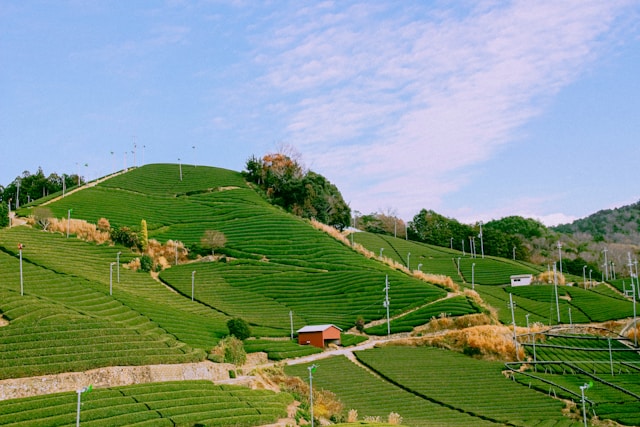
Remember, the best plant for gardening isn’t the same for every slope — it depends on your light, soil, and drainage. Choose plants that suit your terrain, not someone else’s Pinterest board.
Think of your sloped garden like a symphony — it needs rhythm, depth, and flow. Start from the bottom and work your way up.
Base Layer: Low-growing ground covers that cling to the soil — think sedum, creeping thyme, or vinca minor.
Middle Layer: Shrubs that add volume and texture — hydrangeas, boxwoods, or spireas work wonders.
Top Layer: Tall plants or ornamental grasses that frame the whole scene — miscanthus or bamboo for a touch of drama.
When planted smartly, these layers create a natural cascade of green, ensuring every part of your slope is both functional and beautiful.
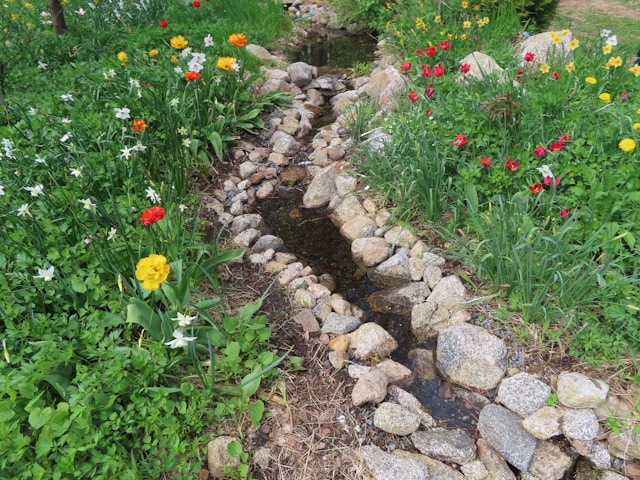
Gravity always wins — but you can play smart. Water is both a blessing and a curse on a slope. Instead of letting it wash away your hard work, guide it.
Use mulch generously; it keeps moisture in and prevents erosion. Install drip irrigation rather than sprinklers — the former delivers water straight to the roots without runoff. And if you’re feeling a bit ambitious, add a rock drainage channel or a small cascading stream. It’s practical and stunning.
Even your choice of the best plant for gardening can affect water retention — deeper roots hold moisture longer, stabilising your mini ecosystem.
Form meets function when you add accessibility. Sloped gardens can look incredible, but can be tough to navigate. Create natural stone steps, or use gravel paths winding gently across the incline.
Each step gives you not just access, but also planting opportunities — a pot of geraniums here, a burst of ornamental grass there. Suddenly, your slope becomes a layered story rather than a single flat page.
Want your slope to stay stunning without constant attention? Choose low-maintenance plants and group them according to their water needs. Mulch yearly, prune occasionally, and fertilise minimally.
If you’ve picked the best plant for gardening your soil type, you’ll find it practically takes care of itself. That’s the magic of working with nature, not against it.
Many gardeners start with frustration — the slope seems unmanageable, a patch of chaos. Yet, after a little design love and thoughtful planting, these very spaces become the highlight of a property.
Whether you envision a lush terraced paradise filled with cascading flowers or a minimalist hillside with ornamental grasses swaying in the wind — the key is patience. Sloped gardens mature beautifully over time, each season revealing something new.
Gardening on a slope is not just about planting — it’s about storytelling. The terrain challenges you, but it also rewards creativity. With careful planning, soil preparation, and the best plant for gardening, that once-daunting slope transforms into a landscape masterpiece.
So next time you stand at the foot of a hill, don’t sigh — smile. Because you’re about to grow something extraordinary.