Physical Address
304 North Cardinal St.
Dorchester Center, MA 02124
Physical Address
304 North Cardinal St.
Dorchester Center, MA 02124

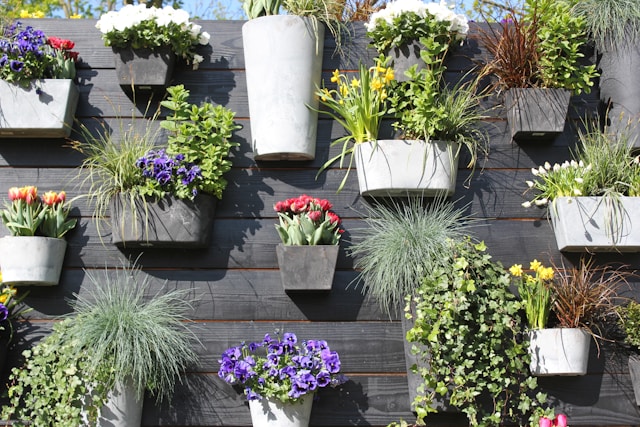
Quietly sitting behind warehouses, stacked near hardware stores, or forgotten at the corner of a yard—wooden pallets rarely look like the beginning of something beautiful. Yet, with a bit of imagination, gardening pallet ideas turn these rough wooden frames into some of the most practical and charming garden features you can build yourself.
Not because they are trendy. Not because they are cheap—though that helps. But because pallets offer structure where soil, plants, and creativity meet. And in gardening, structure often makes all the difference.
So, if space feels tight, budgets feel tighter, or you simply enjoy building something with your hands, let’s walk through the many ways pallets can reshape your garden—one plank at a time.
Before the hammer swings or the soil spills, it’s worth understanding why gardeners keep returning to pallets.
Pallets are:
More importantly, they allow gardeners to grow smarter. When paired with thoughtful planting, even the most modest pallet project can support vegetables, herbs, flowers, or trailing greens. In fact, many gardeners find that the right pallet setup highlights the best plant for gardening in small or awkward spaces.
When ground space disappears, vertical space quietly waits.
Turn a pallet upright, secure landscape fabric behind the slats, and suddenly you have pockets for planting. Lettuce, strawberries, herbs, and succulents thrive here. These vertical gardening pallet ideas work especially well on balconies, patios, or against sunny fences.
Unexpectedly, airflow improves. Drainage behaves better. And harvesting? Easier than bending over raised beds.
Mounted on walls or leaned slightly against structures, hanging pallet gardens create layered depth. Pair shallow-root plants with trailing varieties for visual balance. In setups like these, choosing the best plant for gardening often means selecting plants that grow outward rather than downward.
Sometimes the ground isn’t friendly. Poor soil, drainage issues, or simple convenience push gardeners upward.
By dismantling pallets and rebuilding them into frames, raised beds become affordable and customizable. These beds warm faster in spring, drain better after rain, and keep weeds at bay.
Interestingly, raised pallet beds often produce stronger early growth, especially for vegetables like spinach, radishes, or bush beans. For beginners, this setup reduces frustration and improves success rates.
Stacked pallet frames can create depth. That depth matters when growing carrots, beets, or potatoes. When built correctly, pallet beds allow roots to expand freely—something compacted ground rarely offers.
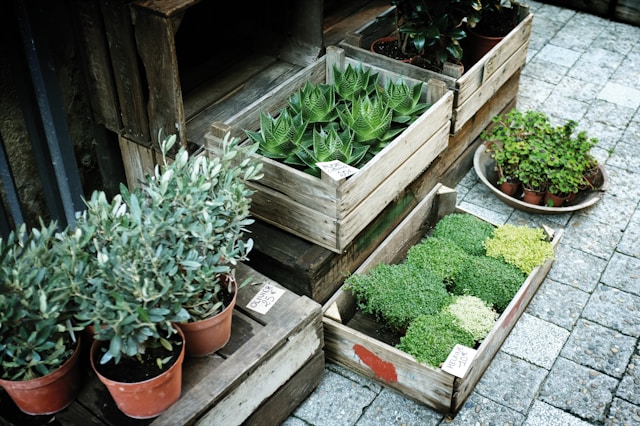
Few garden features feel as rewarding as stepping outside and cutting fresh herbs.
Pallet Herb Towers
Standing tall and narrow, herb towers made from pallets fit into corners that otherwise go unused. Basil, thyme, oregano, mint—all flourish here when sunlight is steady.
Herbs are often considered the best plants for gardening beginners because they grow fast, forgive mistakes, and reward attention quickly.
Placed flat and raised slightly off the ground, pallet herb tables double as work surfaces. Pots sit neatly between slats, soil stays contained, and maintenance stays minimal.
Vegetables feed the body. Flowers feed something else entirely.
Painted or left rustic, pallets create stunning flower backdrops. Annuals like petunias and marigolds spill color across slats, while perennials bring long-term beauty.
These pallet flower ideas also attract pollinators. Bees, butterflies, and beneficial insects quickly recognize pallet gardens as reliable food sources.
Because pallets are movable, seasonal rotation becomes easier. Shift flowering pallets into prime view during bloom, then relocate them as seasons change.
Pallet Compost Bins and Garden Storage
Not all gardening pallet ideas involve planting directly.
DIY Pallet Compost Systems
Four pallets, tied together, form an efficient compost bin. Airflow improves decomposition, and turning compost becomes simpler. Over time, compost produced here feeds back into pallet planters—a closed-loop system gardeners appreciate.
Mounted vertically, pallets hold hooks, shelves, and bins for tools. Keeping tools visible reduces clutter and saves time, especially during busy growing seasons.
Choosing the Right Plants for Pallet Gardens
Plants behave differently in pallet systems. Roots are closer together. Soil dries faster. Sun exposure varies.
So, what grows best?
In many pallet setups, the best plant for gardening is one that grows quickly, adapts easily, and tolerates container-like conditions.
Not all pallets are equal—and this matters.
Taking these steps ensures pallet gardens remain safe, especially when growing food.
Making Gardening Pallet Ideas Last Longer
The weather is unforgiving. Wood breaks down.
To extend pallet life:
A little maintenance keeps pallet gardens productive year after year.
What makes gardening pallet ideas so appealing isn’t just cost or convenience—it’s adaptability. Pallets invite creativity. They encourage experimentation. They allow gardeners to respond to space, sunlight, and season without starting from scratch.
And whether you’re growing herbs on a balcony, vegetables along a fence, or flowers in a vertical display, pallets quietly support the process. With thoughtful planning and the right plant choices—often the best plant for gardening being the simplest one—you’ll find that pallets don’t just hold soil.