Physical Address
304 North Cardinal St.
Dorchester Center, MA 02124
Physical Address
304 North Cardinal St.
Dorchester Center, MA 02124

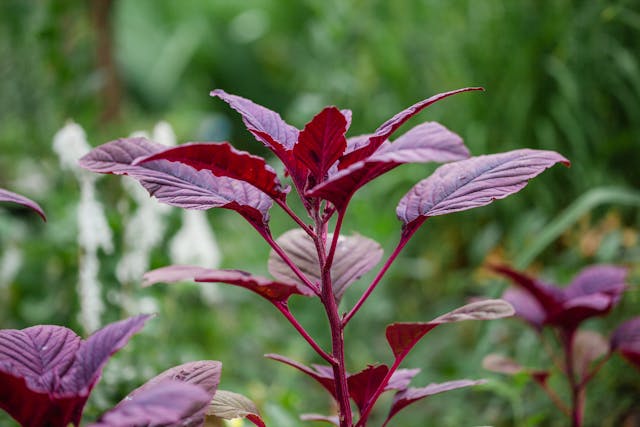
Amaranth is a stunning and versatile addition to any garden. With its vibrant seed heads, nutritious leaves, and valuable grain, this ancient plant has been cultivated for centuries. Not only does it bring a burst of color to your garden, but it also attracts pollinators and offers multiple uses, from cooking to floral arrangements. If you’re interested in learning how to grow amaranth successfully, this guide will walk you through everything from planting to harvesting.
Amaranth has a rich history, particularly in the Americas. The Aztecs cultivated it as a staple crop and even used it in religious ceremonies, referring to it as the “food of the gods.” Today, indigenous communities in the Southwest and Northern Mexico continue to harvest wild amaranth greens, especially during the monsoon season. This drought-resistant plant has proven its resilience for centuries, making it an excellent choice for modern gardens.
There are many types of amaranth, each with unique characteristics. Some are best for culinary purposes, while others shine as ornamental plants. Here are a few popular varieties:
Amaranth thrives in warm temperatures and full sun (at least six hours daily). If you live in a region with hot summers, providing afternoon shade can help protect the plants from extreme heat. Here’s what you need to know before planting:
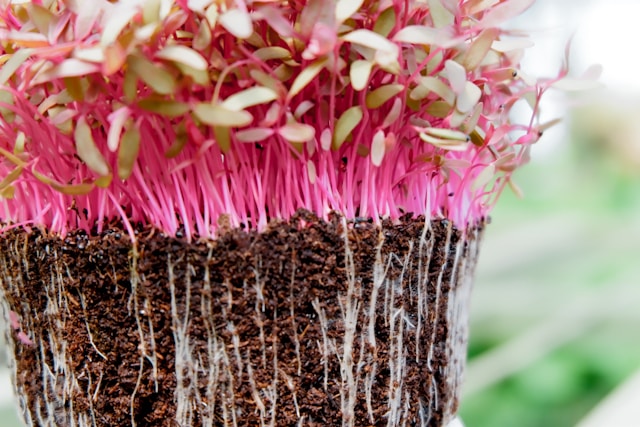
Soil: Well-draining, nutrient-rich soil with added compost is ideal.
Direct Sowing: Plant seeds outdoors once the soil temperature reaches at least 65°F (18°C).
Starting Indoors: Begin seeds indoors 6-8 weeks before the last frost and transplant them once the weather warms up.
Spacing: Thin seedlings to 12-18 inches apart, depending on the variety.
Arizona Planting Dates: March-April and July-August (during monsoon moisture).
Once your amaranth is established, proper care ensures a bountiful harvest. Here’s what to keep in mind:
Watering: Keep the soil consistently moist but not waterlogged. Deep watering helps develop strong root systems.
Mulching: Apply a layer of mulch to retain moisture and suppress weeds.
Pruning: Trim plants above two sets of leaves when they reach 8-10 inches tall to encourage branching.
Support: Some taller varieties may require staking to prevent them from toppling over.
Harvesting Amaranth: Leaves, Grains, and Flowers
Amaranth offers multiple harvest options, depending on how you plan to use it:
Harvesting Leaves: Pick young, tender leaves for fresh salads or cooking. Older leaves are best sautéed like spinach.
Harvesting Grains: Cut the seed heads before they dry out completely and drop their seeds. Place them in a paper bag, allow them to dry, then shake them to release the seeds.
Harvesting Flowers: If using amaranth for floral arrangements, cut stems when the seed heads reach their peak color. Strip the lower leaves and place them in water with a floral preservative to extend vase life.
Amaranth is more than just a beautiful garden plant—it’s packed with nutrition and versatility:
Growing amaranth is rewarding whether you’re looking for a nutritious food source, an ornamental accent, or a pollinator-friendly plant. By following these simple steps, you can enjoy vibrant foliage, tasty greens, and a nutrient-rich grain harvest. So why not add amaranth to your garden this season and experience its beauty and benefits firsthand? We hope this how to grow Amaranth guide will help you to grow your own your garden.
For more gardening tips and inspiration, stay tuned to Sow Haven—your go-to source for all things gardening!