Physical Address
304 North Cardinal St.
Dorchester Center, MA 02124
Physical Address
304 North Cardinal St.
Dorchester Center, MA 02124


Growing bell peppers in containers is a rewarding way to enjoy fresh, homegrown produce, even if you don’t have a garden. With a little preparation and the right conditions, you can successfully grow bell peppers at home. Here’s a step-by-step guide to help you get started.
While it’s possible to grow bell peppers from seeds, these plants thrive in warm environments. To give your peppers the best start, sow seeds indoors about 8 to 10 weeks before the last frost date in your area. Keep in mind that it might take several weeks for seedlings to emerge, so patience is key.
Using a heating pad or a heated propagator can improve germination rates by maintaining a consistent, warm temperature. If you plan to sow seeds directly outdoors, ensure there’s no chance of frost, and wait at least two to three weeks after the last frost.
To prevent waterlogging and give your peppers room to grow, select containers with proper drainage holes and a diameter of at least 12 to 18 inches. The container should also be deep enough to allow the roots to develop freely.
For most bell peppers, a 5-gallon bucket works perfectly. If you plan to grow multiple peppers in the same container, opt for a pot wider than 12 inches in diameter, and choose non-bushy varieties. If necessary, drill additional drainage holes in plastic or metal containers to ensure proper water flow.
Using the correct soil mix is essential for successful container gardening. For starting seeds, use a light, porous seed-starting mix designed to retain moisture and promote germination. Once the seedlings are ready to transplant, switch to a nutrient-rich potting mix.
Before planting, amend the soil with organic matter like compost or manure to improve drainage and add nutrients. While standard garden soil can work, pre-mixed potting soil from a garden center is often a more reliable choice.
Once temperatures rise and bell peppers are in their active growth phase, daily watering is often necessary. Check the soil moisture by inserting your finger about an inch deep into the soil. If it feels dry, it’s time to water thoroughly. Watering in the morning is ideal, as it prevents rapid evaporation and reduces the risk of fungal diseases.
To retain moisture, consider adding a layer of mulch or straw on top of the soil. Bell peppers are heavy feeders, so fertilize them twice a month with a balanced vegetable fertilizer to replenish nutrients lost during watering.
While bell peppers are relatively low-maintenance, they can become top-heavy as they grow and bear fruit. Use a tomato cage or bamboo stakes to prevent stems from bending or breaking. Be sure to tie the plant loosely to avoid damaging it.
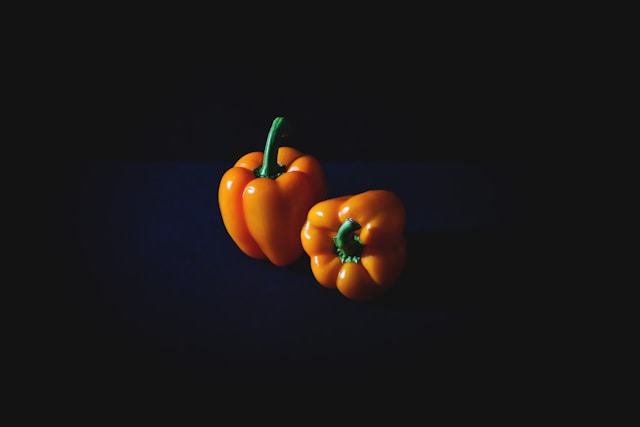
Bell peppers can be harvested at any stage of their growth. Green peppers are less mature and have a milder flavor, while fully ripened peppers—red, yellow, or orange—tend to be sweeter and more flavorful. The specific colors and flavor profiles depend on the variety of bell peppers you’re growing.
Regularly picking ripe peppers encourages the plant to produce more fruit, so enjoy your harvest frequently!
Growing bell peppers in containers is a fantastic way to bring vibrant colors and fresh flavors to your kitchen. By following these simple tips, you can enjoy the satisfaction of harvesting your own homegrown peppers right from your patio or balcony. For more gardening tips and tricks, visit Sow Haven and explore the joys of container gardening today!