Physical Address
304 North Cardinal St.
Dorchester Center, MA 02124
Physical Address
304 North Cardinal St.
Dorchester Center, MA 02124

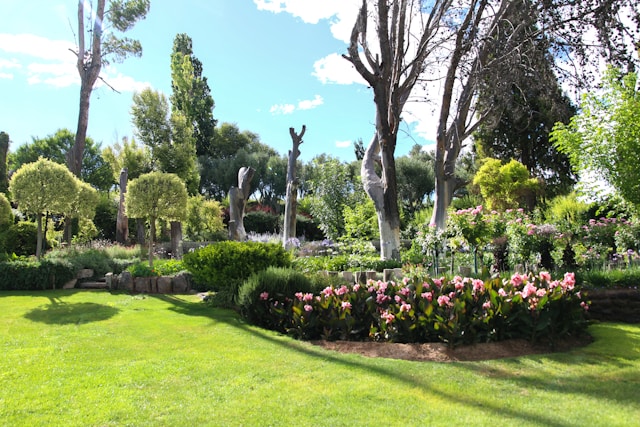
Before choosing types for your gardening, you need to understand that gardening isn’t a single path. It’s a network of trails—some neat and straight, others winding and wild. Depending on your space, your patience, and even your personality, the type of gardening you choose can look completely different from someone else’s. And that difference? That’s where the joy lives.
Some gardeners chase food. Others chase calm. A few simply chase color. Yet all of them are practicing a form of gardening that fits their lives, not someone else’s rulebook.
So instead of asking how to garden, it’s far more useful to ask which type of gardening works best for you.
Let’s explore the most popular and practical gardening styles—each with its own rhythm, reward, and reason to exist.
Before seeds ever meet soil, intention already exists. The types of gardening you choose depend on your personal preference—it reflects climate, lifestyle, and long-term goals.
Some methods prioritize efficiency. Others value beauty. A few aim to restore balance with nature. None is wrong. They simply serve different needs.
For many people, home gardening is where everything begins.
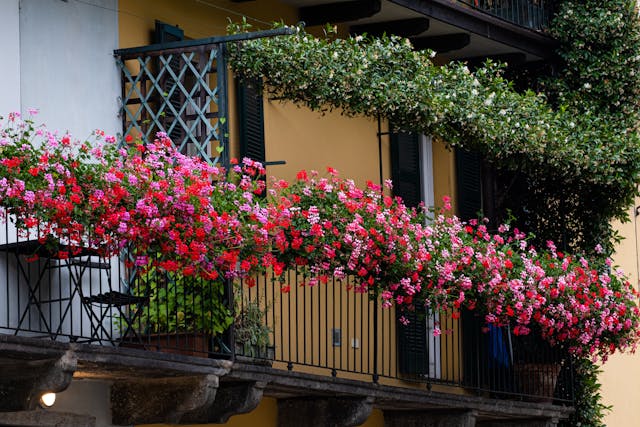
This type of gardening occurs close to daily life—backyards, balconies, patios, or windowsills. It often blends multiple approaches: vegetables near the kitchen, flowers by the fence, and herbs in containers.
What defines home gardening isn’t scale—it’s flexibility.
You grow what you love. You adjust when things fail. And over time, confidence quietly builds.
Vegetable gardening focuses on purpose. You plant with intention, knowing exactly what you hope to harvest.
This type of gardening includes crops like tomatoes, peppers, beans, cucumbers, carrots, and leafy greens. It demands planning—sun exposure, soil nutrients, spacing, and timing all matter.
However, when dinner includes something grown by your own hands, the reward feels unmatched.
Vegetable gardening teaches patience, observation, and respect for seasonal cycles.
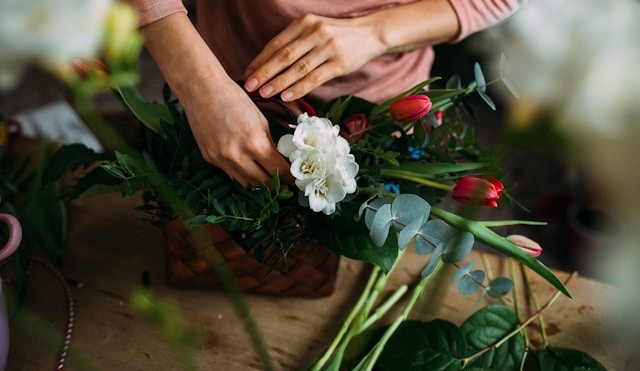
Not every garden is meant to be eaten.
Flower gardening exists for beauty, mood, and movement. Colors shift with the seasons. Textures soften hard edges. Pollinators arrive without invitation.
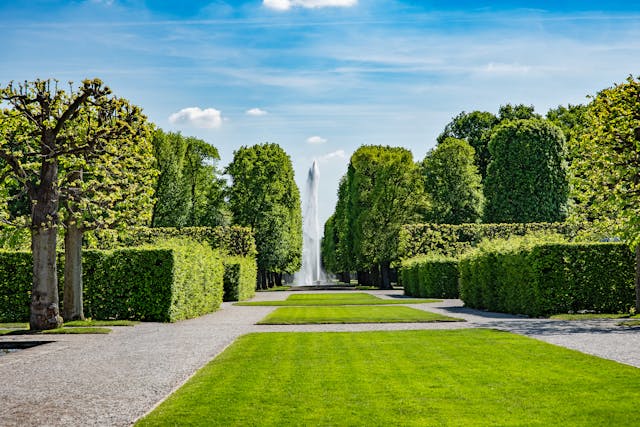
This type of gardening can be structured or free-flowing. Some gardeners prefer symmetrical beds, while others let flowers spill wherever they please.
Either way, flower gardening turns outdoor spaces into living art.
When land is limited, creativity expands.
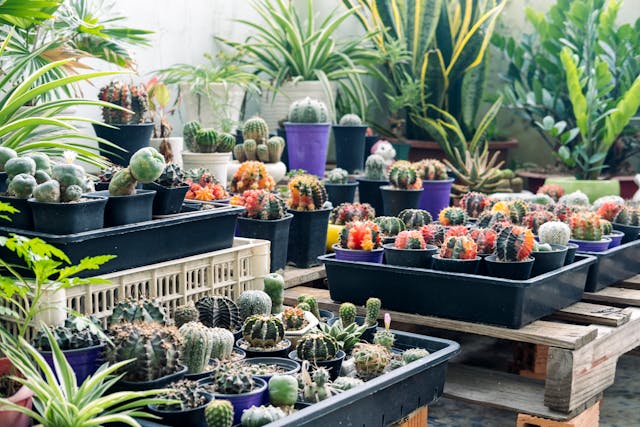
Container gardening allows plants to grow in pots, grow bags, buckets, and repurposed containers. This type of gardening works especially well in apartments, patios, and urban environments.
Because soil, drainage, and placement are controlled, container gardening suits beginners. At the same time, it challenges gardeners to stay consistent with watering and feeding.
Small space, yes—but big potential.
Raised bed gardening adds order to outdoor spaces.
In this type of gardening, soil sits above ground inside framed beds. Drainage improves. Soil warms faster. Weeds become easier to manage.
Gardeners who prefer clean lines and organization often gravitate toward raised beds. They reduce physical strain and make crop rotation simpler.
It’s gardening with intention and structure.
Organic gardening works with nature rather than trying to overpower it.
This type of gardening avoids synthetic fertilizers and chemical pesticides. Instead, it relies on compost, natural pest control, and healthy soil ecosystems.
Results may take longer, but resilience grows stronger. Over time, soil becomes richer, plants become hardier, and balance returns.
Organic gardening rewards patience more than speed.
Gardens don’t disappear in cities—they adapt.
Urban gardening transforms rooftops, balconies, walls, and shared community spaces into green zones. This type of gardening often overlaps with container and vertical gardening.
Challenges exist: limited sunlight, pollution, and space constraints. Yet urban gardeners are problem-solvers by nature.
And when green life appears among concrete, it changes how a place feels.
Vertical gardening answers one simple question: What if plants climbed instead of spread?
This type of gardening uses trellises, wall planters, hanging systems, and stacked containers. It’s ideal for herbs, strawberries, greens, and climbing vegetables.
Besides saving space, vertical gardening improves airflow and reduces pest pressure.
Function meets design here—and it works beautifully.
Water gardening moves at a different pace.
Centered around ponds, fountains, and aquatic plants, this type of gardening creates peaceful ecosystems. Water lilies, lotus, and marginal plants help maintain balance while adding beauty.
Maintenance differs from soil-based gardening, but the result is tranquility. Birds visit. Frogs settle in. Stillness becomes part of the garden.
Permaculture gardening looks beyond individual plants.
This type of gardening designs entire systems that support themselves over time. Plants, animals, water, and soil work together—each serving multiple purposes.
While complex initially, permaculture reduces long-term labor and increases sustainability.
It’s gardening with foresight.
No single type of gardening fits everyone.
Ask yourself:
Many gardeners blend multiple styles, adjusting as seasons and circumstances change.
Gardening evolves. So do gardeners.
Gardening isn’t about following trends. It’s about connection.
Each type of gardening offers a unique experience—some quiet, some productive, some expressive. The best one is the one that keeps you engaged, learning, and returning to the soil.
Start small. Try freely. Grow honestly.
Because the best gardens aren’t perfect—they’re personal.