Physical Address
304 North Cardinal St.
Dorchester Center, MA 02124
Physical Address
304 North Cardinal St.
Dorchester Center, MA 02124

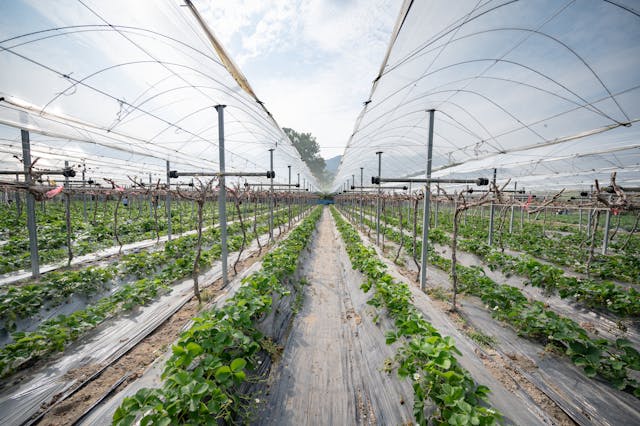
Perfect sunshine may be ideal, but it isn’t the reality for many gardeners. Trees mature. Houses shift shadows. Fences interrupt afternoon light. Yet vegetables still grow—sometimes beautifully—when you understand how vegetable gardening shades actually function.
Shade isn’t an obstacle. It’s a condition. And like soil type or climate, it simply asks you to garden differently.
Once you stop fighting the shadows and start working with them, shaded vegetable gardens begin to make sense. Not all vegetables need blazing sun. Some prefer restraint. Others tolerate filtered light surprisingly well. And a few even improve in flavor when shielded from heat.
Before planting anything, observe how light behaves in your garden. Shade is not a single category—it exists on a spectrum.
Most success with vegetable gardening in shade happens in partial shade. Morning sun combined with afternoon shade often creates ideal conditions for many crops.
Instead of guessing, track sunlight for a few days. Notice when light arrives, where it lingers, and how long it stays.
Some vegetables evolved beneath taller plants. Others prioritize leaf growth over fruiting. These traits make them naturally suited for lower-light conditions.
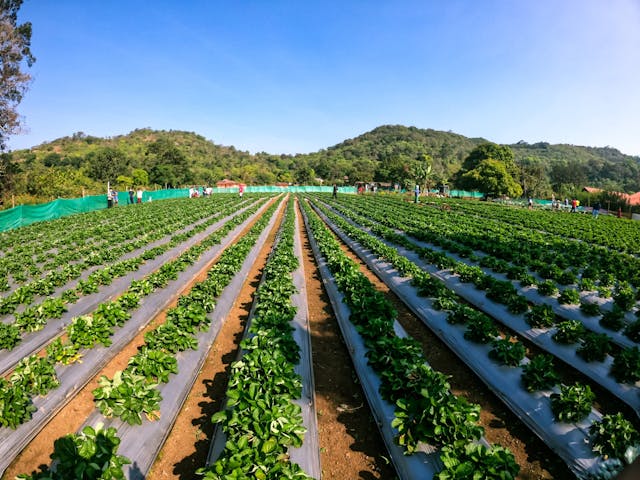
Leafy greens are the backbone of shaded gardens. They grow efficiently, even when sunlight is limited.
In vegetable gardening shades, these greens grow more slowly—but slower often means better texture and milder flavor. Shade reduces bitterness and delays bolting, especially during warmer months.
Root vegetables rely less on intense sunlight because the edible portion develops underground.
While the size may be smaller, flavor usually remains excellent. In shaded gardens, consistency matters more than speed.
Herbs often bridge the gap between vegetables and ornamentals. Many handle indirect light gracefully.
In vegetable gardening shades, herbs benefit from cooler soil and reduced evaporation, especially in summer.
Some vegetables simply need sun—lots of it.
These plants depend on sunlight to produce flowers and fruit. In shaded conditions, they may grow foliage but deliver disappointing harvests.
If you grow these, containers placed in the sunniest areas are usually the better option.
Shade changes how soil behaves. Moisture lingers longer. Temperatures stay cooler. Without proper preparation, roots can struggle.
To improve shaded garden soil:
Healthy soil compensates for reduced light. When nutrients are accessible, plants waste less energy searching for them.
In vegetable gardening, soil quality becomes the quiet hero.
Shaded gardens dry out slowly. This makes overwatering a common mistake.
Signs of excessive watering include:
Always check the moisture before watering. Deep, infrequent watering encourages strong root systems.
Vegetable gardening shades require balance—too much water causes more harm than too little.
Shade creates cooler, damper environments, which can invite certain pests and fungal issues.
Common problems include:
Improve airflow by spacing plants generously. Prune nearby vegetation if it blocks air circulation. Good airflow keeps shaded gardens productive, not problematic.
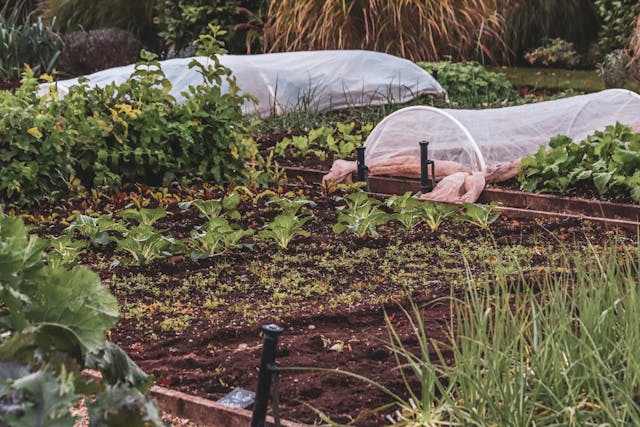
Raised beds warm faster than ground soil, even in shade. That warmth can improve germination and root development.
Containers add flexibility:
For gardeners dealing with permanent shade, containers often provide the best results.
Shade behaves differently throughout the year.
Spring
Before trees fully leaf out, shaded gardens often receive more sun. This is the perfect time for greens and root crops.
Summer
Shade becomes protective, reducing heat stress and water loss.
Fall
Lower sun angles increase shade. Cold-tolerant crops perform best during this season.
Understanding seasonal light patterns helps you plant with confidence instead of frustration.
Many shaded gardens fail not because of shade—but because of expectations.
Avoid:
Vegetable gardening shades reward patience, observation, and realistic choices.
Shade doesn’t end a vegetable garden—it reshapes it.
With thoughtful plant selection, healthy soil, and careful watering, shaded gardens become productive, calm spaces where growth happens steadily rather than aggressively. Some crops even taste better when protected from intense sun.
Vegetable gardening shades aren’t limitations. They’re conditions. And once understood, they open the door to a quieter, more intentional way of growing food—one that works with nature instead of pushing against it.