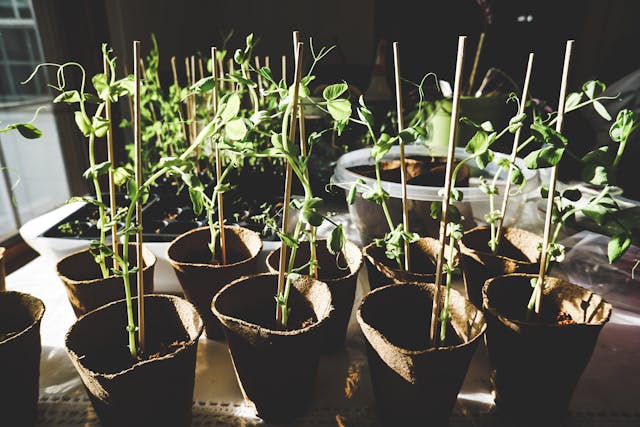
A garden requires patience, knowledge, and the ability to troubleshoot problems as they arise. Whether you’re dealing with weak plants, pests, or environmental challenges, understanding the causes and solutions can make all the difference. This comprehensive guide will help you solve common garden problems and get your plants back on track.
Weak, Spindly, or Pale Plants
Possible Causes & Solutions:
- Weeds Competing for Resources
- Pull weeds by hand before they set seed.
- Use mulch to suppress weed growth.
- Consider solarizing heavily infested areas.
- Poor Soil Quality
- Add high-quality compost and organic matter regularly.
- Use a balanced organic fertilizer.
- Improve soil aeration with vermiculite, perlite, or coconut coir.
- Incorporate worm castings or start vermicomposting.
- Wrong Growing Season
- Plant crops according to their preferred temperature range.
- Delay planting cool-season crops if it’s still too hot.
- Hold off on warm-season crops if temperatures are still too low.
- Lack of Sunlight
- Move potted plants or raised beds to sunnier locations.
- Prune trees or overgrown plants to reduce shade.
- Space plants appropriately to avoid overcrowding.
- Use grow lights when starting seeds indoors.
Environmental Stressors
Wind Damage
- Use windbreaks such as fencing, hedges, or row covers.
- Protect young plants with cloches or polytunnels.
Frost Damage
- Cover frost-sensitive plants on cold nights.
- Remove frost-damaged annuals and trim perennials after frost danger has passed.
Sun Scorch & Heat Stress
- Provide shade during the hottest parts of the day.
- Avoid planting sensitive crops in direct afternoon sun.
- Harden off transplants gradually before moving them outdoors.
Watering Issues
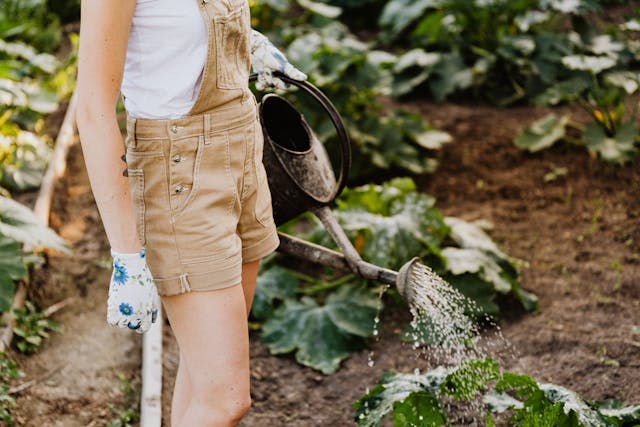
Underwatering
- Increase watering frequency based on soil moisture.
- Use a moisture meter to assess soil dryness.
- Apply mulch to retain soil moisture.
Overwatering & Root Rot
- Allow the top inch of soil to dry before watering again.
- Improve drainage in garden beds and containers.
- Remove affected plants if root rot is severe.
Irregular Watering & Fruit Splitting
- Maintain consistent soil moisture with drip irrigation or watering timers.
- Harvest fruit before heavy rainfall to prevent splitting.
Pests & Diseases
Aphids, Spider Mites, & Other Insects
- Use natural predators like ladybugs and lacewings.
- Spray affected plants with neem oil or insecticidal soap.
- Remove heavily infested plant parts.
Fungal Diseases (Powdery Mildew, Damping Off, etc.)
- Increase airflow by pruning overcrowded plants.
- Avoid overhead watering; water at the base of plants instead.
- Use an organic fungicide like baking soda or potassium bicarbonate spray.
Rodents & Birds
- Protect plants with bird netting or floating row covers.
- Use humane traps or encourage natural predators like garden-friendly cats.
Poor Harvest & Pollination Issues
Lack of Pollinators
- Avoid pesticide use, which can harm beneficial insects.
- Plant a variety of flowers, herbs, and native plants to attract pollinators.
- Hand-pollinate crops like squash and cucumbers if necessary.
Low Yields or Slow Growth
- Ensure plants receive sufficient sunlight and nutrients.
- Choose climate-appropriate plant varieties.
- Pay attention to watering schedules and soil health.
Blossom End Rot (Brown, Sunken Spots on Tomatoes & Peppers)
- Maintain even soil moisture to prevent calcium uptake issues.
- Test soil pH and adjust to around 6.5.
- Apply mulch to help retain moisture.
Gardening comes with its fair share of challenges, but you can solve common garden problems efficiently with the right knowledge. You’ll create a healthy, thriving garden by identifying issues early and applying the appropriate solutions.
For more expert gardening tips and seasonal advice, visit Sow Haven and start growing with confidence!