Physical Address
304 North Cardinal St.
Dorchester Center, MA 02124
Physical Address
304 North Cardinal St.
Dorchester Center, MA 02124


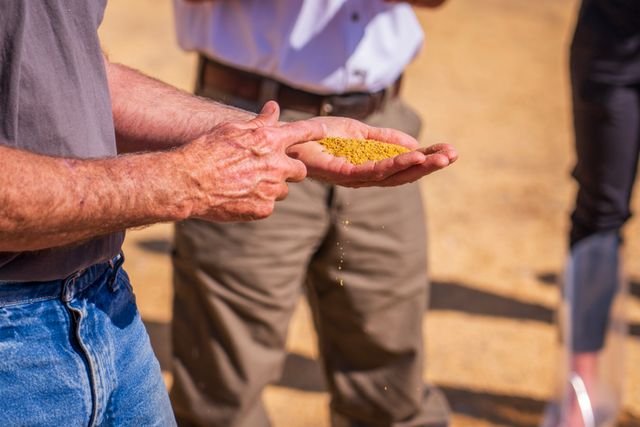
Mustard cake (also called mustard oil cake, or khal) is the solid residue left after oil is pressed from mustard seeds. It’s long been used as an organic fertilizer in South Asian gardening in particular, valued for two things most fertilizers only do one of: it feeds the soil, and it helps deter certain soil pests at the same time.
Mustard cake isn’t a precisely standardized product — nutrient content varies somewhat by seed source and how much oil was extracted — but it typically falls in this range:
| Nutrient | Typical Range |
| Nitrogen (N) | 4–5% |
| Phosphorus (P) | 1–2% |
| Potassium (K) | 1–2% |
That nitrogen level makes it a genuinely strong organic feed for leafy, vigorous growth — comparable to or stronger than many composts — which is exactly why it suits heavy feeders like tomatoes and cucumbers.
Soak mustard cake in water for 7–15 days before applying, stirring occasionally. This ferments it, which does two things: reduces the strong smell during decomposition, and prevents the ammonia-like burn that can happen if fresh cake contacts roots directly. Use roughly 1 part mustard cake to 10 parts water, then dilute the resulting liquid further (about 1:3 with fresh water) before applying to soil around the base of plants.
Work dry mustard cake into the top few inches of soil 2–3 weeks before planting, giving it time to decompose before roots are established there. Avoid applying it directly into a seed-starting mix or right against transplant roots — fresh, undecomposed cake generates heat and releases compounds as it breaks down that can stress young roots.
For a full feeding schedule that pairs with this — including when tomatoes need more phosphorus and potassium instead of nitrogen — see our guide to raised bed and container fertilizer.

| Method | Frequency |
| Soaked liquid feed | Every 2–3 weeks during active growth |
| Dry soil mix | Once at bed prep, 2–3 weeks before planting; optionally refreshed mid-season for heavy feeders |
If you’re growing in containers rather than a bed, this pairs directly with our guide to the best tomatoes for container gardening, since container soil depletes faster and benefits from the liquid method’s more frequent, lighter feeding.
Looking to correct soil pH rather than boost nitrogen? That’s a different amendment entirely — see our guide to using chalk and garden lime.
| Is mustard cake fertilizer safe for all vegetables?
It’s best suited to heavy nitrogen feeders like tomatoes, cucumbers, and leafy greens. Use it more sparingly on root vegetables, where excess nitrogen produces lush tops at the expense of the root itself. |
| How long does mustard cake take to break down in soil?
Roughly 2–3 weeks for the dry method before it’s safe for root contact. The soaking method is faster to become usable since fermentation happens in the water first. |
| Can I use mustard cake and compost together?
Yes — they complement each other well. Compost builds soil structure and slow, broad nutrition; mustard cake adds a concentrated nitrogen boost during active growth. |
| Is mustard cake fertilizer the same as neem cake?
No — they’re both oilseed cake fertilizers but come from different plants and have different properties. Neem cake is better known for pest and nematode deterrence. Mustard cake leans more toward its nitrogen content, with a milder pest-deterrent effect as a secondary benefit. |
|
Tried mustard cake fertilizer on your tomatoes or cucumbers? Share how it went in the comments — real results help other readers more than any general guideline. |