Physical Address
304 North Cardinal St.
Dorchester Center, MA 02124
Physical Address
304 North Cardinal St.
Dorchester Center, MA 02124

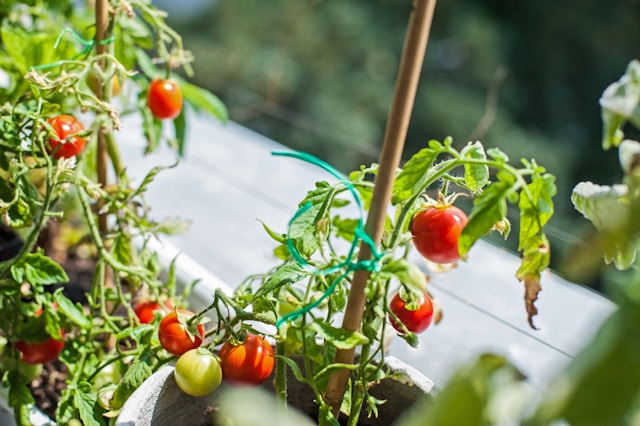
A container doesn’t have to mean a smaller harvest. It means a different set of rules — and once you know them, patios, balconies, and driveways can out-produce plenty of in-ground gardens. Here is a plan for growing tomatoes in Containers.
Patio Tomatoes
Compact by design, patio tomatoes rarely exceed two feet tall but still produce full-sized fruit in clusters. They need minimal staking, which makes them a strong pick for tight balconies or small patios where a full cage isn’t practical.
Cherry Tomatoes
Varieties like Tiny Tim, Tumbling Tom, and Sweet ‘n’ Neat are the most forgiving option for beginners. They grow fast, produce continuously through the season, and tolerate the occasional missed watering better than larger varieties.
Roma and Paste Tomatoes
Compact paste varieties such as Bush Roma stay controlled in a pot while still producing the thick, meaty fruit sauces need. If you’re growing specifically to cook with, this is the category to start from.
Container size affects yield more than variety choice does. Undersized pots are the single most common reason container tomatoes underperform.
| Container Size | Best For |
| 5 gallons (minimum) | Patio and cherry varieties only — the floor, not the target |
| 7-10 gallons | Most varieties; the size to aim for by default |
| 15+ gallons or a half whiskey barrel | Roma/paste varieties and anything grown for a full-season, heavy harvest |
Depth matters as much as volume — tomatoes root deep, so a tall, narrower pot usually outperforms a wide, shallow one at the same volume. Fabric grow bags are worth the extra cost in hot climates: they breathe, which keeps roots from overheating in a way that plastic doesn’t.
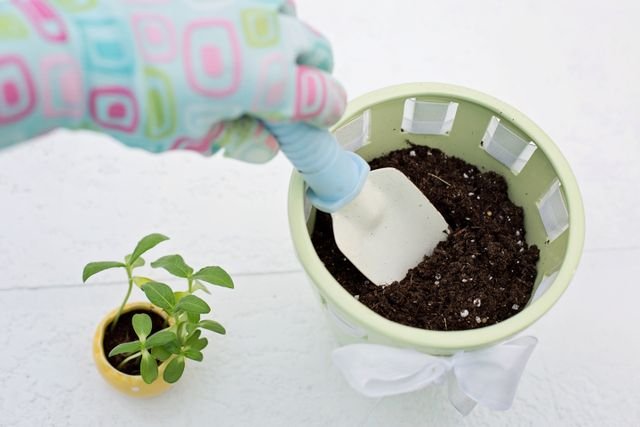
Skip garden soil entirely — it compacts in a container and drains poorly. Use a potting mix that drains well but holds moisture evenly, and work in compost or aged manure at planting for a slow, steady nutrient base.
Because container soil depletes faster than garden soil, tomatoes need a regular feeding schedule, not a one-time application:
For a deeper breakdown of fertilizer types and how to choose between them, see our guide to raised bed fertilizer options — the same principles carry over to containers.
Containers dry out far faster than garden beds, especially in summer heat, and inconsistent watering is what causes cracked fruit and blossom-end rot — not a lack of nutrients, which is where people usually look first.
Aim for 6-8 hours of direct sun daily. In climates with harsh afternoon heat, some afternoon shade actually helps fruit set rather than hurting it — one advantage of containers is you can simply move them to test what works on your specific balcony or patio.
Even compact varieties benefit from a small cage, single stake, or spiral support: it keeps fruit off the soil and improves airflow around the plant, which cuts down on the fungal issues that show up in humid weather.
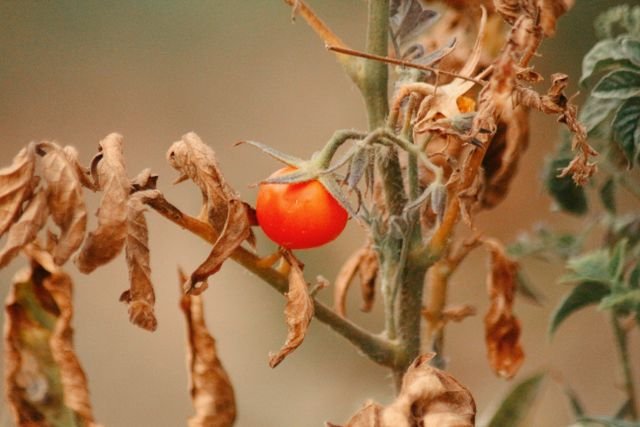
| Symptom | Likely Cause |
| Yellowing leaves | Nutrient imbalance — check your feeding schedule first |
| Wilting despite regular watering | Root heat stress — move the container out of direct afternoon sun or size up the pot |
| Few flowers, little fruit set | Insufficient sunlight, or nighttime temps too high/low for pollination |
If you’re growing on a balcony specifically, our guide to apartment balcony gardening covers wind, heat reflection, and light patterns that affect containers more than ground beds.
Growing through the colder months? See container gardening in winter for how to protect potted plants once temperatures drop.
| What is the best tomato for container gardening if I only have room for one plant?
A cherry variety like Tiny Tim or Tumbling Tom — it’s the most forgiving of inconsistent care and produces continuously rather than in one big flush. |
| Can regular (non-patio) tomato varieties grow in containers?
Yes, in a large enough container — 15+ gallons — but compact or determinate varieties bred for pots will outperform full-size indeterminate varieties in anything smaller. |
| How often should container tomatoes be fertilized?
Every 2-3 weeks during the growing season with a tomato-specific feed, on top of a balanced fertilizer worked in at planting. |
| Have a tomato-growing win or a container setup that worked for you? Share it in the comments — SowHaven grows better with real reader experience. |